
Japan Flower Market: Floral Gifting Trends, Premium Bouquets & Retail Expansion
How floral gifting traditions, premium bouquet demand, sustainable floriculture practices, and expanding online flower delivery services are shaping growth and innovation across the Japan flower market.

Japan’s flower market is one of the most culturally embedded floral industries in the world — and the numbers back that up. According to IMARC Group’s latest research, the Japan flower market reached USD 3.5 Billion in 2025. Looking ahead, IMARC Group expects the market to reach USD 5.1 Billion by 2034, growing at a CAGR of 4.09% during 2026–2034. This consistent upward trajectory reflects a market shaped by deep-rooted traditions, rapid technological adoption in farming, and a growing appetite for both premium fresh flowers and innovative floral formats.
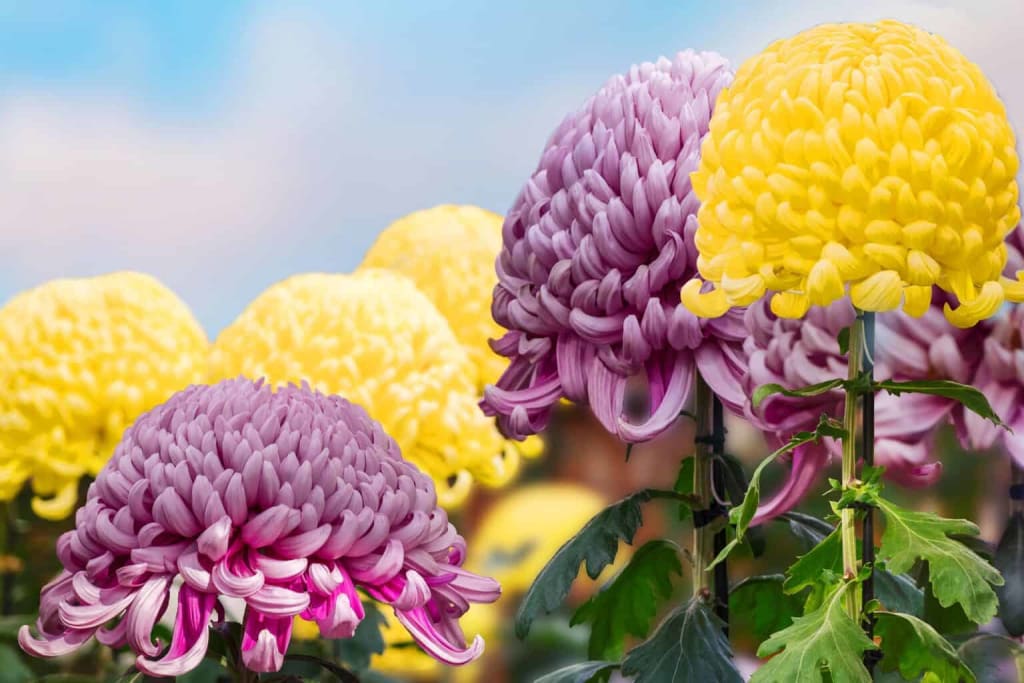
Japan produces around 4 billion flower stems each year, with chrysanthemums, roses, lilies, carnations, and orchids leading domestic cultivation. The Kanto Region — anchored by Tokyo and the massive Ota Flower Market, which alone handles roughly 40% of Japan’s cut flower distribution — remains the largest regional hub. Weddings, funerals, temple offerings, corporate lobbies, and everyday gifting all fuel consistent year-round demand, making this a market that is as culturally driven as it is commercially robust.
Japan Flower Market Growth Drivers:
- Cultural Traditions and Ceremonial Demand
Japan’s floral culture runs far deeper than aesthetics. Practices like Hanakotoba — the language of flowers — and Ikebana, the meditative art of floral arrangement, keep flower demand anchored in everyday life. Chrysanthemums represent longevity at funerals, cherry blossoms mark spring celebrations, and specific varieties are chosen for weddings and Obon festival altars. The Japan Flower Association reports that around 70% of consumers buy flowers for gifting, with the floral gift market valued at approximately ¥150 billion (around USD 1.1 billion). This cultural depth translates into consistent, predictable purchasing patterns across all generations.
- Rising Urban Demand and Home Gardening Growth
With nearly 92% of Japan’s population living in urban areas, apartment-friendly plants and cut flowers have become go-to home decor staples. Over 30% of Japanese households now engage in some form of home gardening, supporting a home gardening market worth approximately ¥200 billion (around USD 1.5 billion). Average household spending on flowers rose from ¥12,000 to ¥15,500 annually, driven by wellness trends and the desire to bring nature indoors. Tokyo, Osaka, and Nagoya together account for a disproportionate share of retail floral purchases, with Tokyo corporate flower contracts alone reaching USD 103 million.
Japan Flower Market Trends:
- E-Commerce and Subscription Flower Services
Online flower sales in Japan are no longer a niche — they’ve become a mainstream channel. E-commerce platforms now account for approximately USD 400 million in floral sales, and the Ministry of Economy, Trade and Industry projects this segment to grow by 15% annually. Over 1.5 million floral transactions now occur digitally each year, with hundreds of retailers offering same-day delivery and customizable bouquets. Subscription-based flower delivery services have built tens of thousands of active subscribers who receive curated seasonal arrangements weekly. This channel shift is particularly strong among younger urban consumers who prioritize convenience without compromising on quality.
- Sustainability and Eco-Conscious Floriculture
Environmental awareness is reshaping how flowers are grown, packaged, and sold in Japan. Organic flower sales have reached ¥30 billion (roughly USD 200 million), fueled by consumers who want pesticide-free blooms aligned with their health and sustainability values. Around 500 florists now specialize exclusively in eco-friendly arrangements, and major growers are adopting energy-efficient greenhouse operations and reduced-chemical cultivation methods. Vertical farming and hydroponics are helping producers grow more in less land while cutting water use and carbon footprint — directly addressing consumer concern and Japan’s strict environmental regulations.
Japan Flower Market Segmentation:
The IMARC Group report segments the Japan flower market as follows:
By Product Type:
- Fresh Cut Flowers
- Potted Plants and Indoor Flowers
- Dried and Artificial Flowers
By Application:
- Personal Use
- Corporate Use
- Events and Weddings
- Religious Ceremonies
- Gifting
By Distribution Channel:
- Online Retail
- Offline Retail
By Region:
- Kanto Region
- Kansai/Kinki Region
- Central/Chubu Region
- Kyushu-Okinawa Region
- Tohoku Region
- Chugoku Region
- Hokkaido Region
- Shikoku Region
Recent News and Developments in Japan Flower Market
- April 2025: The Tonami Tulip Fair’s 2025 edition launched on April 22 at Tonami Tulip Park, showcasing approximately three million tulips. The annual event draws visitors from across Japan and internationally, serving as a significant commercial and tourism driver for the domestic floriculture industry.
- March 2025: Kirin Brewery launched the Sakura AI Camera, a technology that allows citizens to photograph cherry blossoms so AI can assess tree health and age.
- February 2025: The Kawazu Cherry Blossom Festival kicked off in Shizuoka Prefecture, featuring around 8,000 cherry trees along a 4-kilometre riverside stretch.
Note: If you require specific details, data, or insights that are not currently included in the scope of this report, we are happy to accommodate your request. As part of our customization service, we will gather and provide the additional information you need, tailored to your specific requirements. Please let us know your exact needs, and we will ensure the report is updated accordingly to meet your expectations.
About the Creator
Kishan Kumar
My name is Kishan Roy and I am a market analyst having 5 years of experience and a skilled researcher with a keen eye for consumer trends and data-driven insights.
Keep reading
More stories from Kishan Kumar and writers in Futurism and other communities.
Saudi Arabia Lubricants Market: Industrial Expansion, Automotive Demand & Energy Sector Growth
Saudi Arabia lubricants market size reached USD 1,352.4 Million in 2025. Looking forward, IMARC Group expects the market to reach USD 1,717.4 Million by 2034, exhibiting a growth rate (CAGR) of 2.69% during 2026-2034. The expanding growth of industries, such as automotive, manufacturing, construction, and mining, along with the increasing demand for lubricants to keep machinery and equipment running efficiently, is primarily driving the market.
By Kishan Kumara day ago in Futurism
Castor Oil Market in 2026: Global Supply Chains, Trade Disruptions, and the Impact of Geopolitical Conflicts
Castor Oil Market in 2026: Navigating Global Conflict and Market Shifts The castor oil market has long been an essential part of the global industrial and agricultural ecosystem. Extracted from castor seeds, castor oil is widely valued for its unique chemical composition and versatility. It is used in a wide range of applications including pharmaceuticals, cosmetics, lubricants, coatings, plastics, and bio-based chemicals.
By James Smith2 days ago in Futurism




Comments
There are no comments for this story
Be the first to respond and start the conversation.