
South Africa Cement Market: Infrastructure Expansion, Construction Demand & Growth Outlook
How infrastructure development, urbanization, and government housing initiatives are driving production capacity, demand dynamics, and investment opportunities in the South Africa cement market.

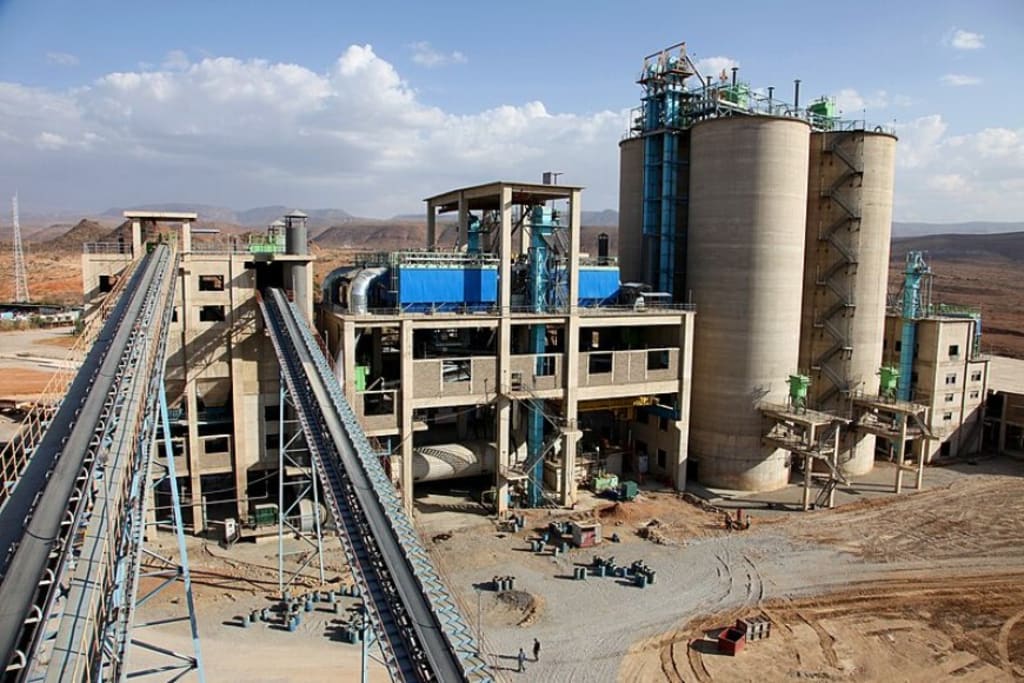
According to IMARC Group's latest research publication, South Africa cement market size reached USD 2.85 Billion in 2024. Looking forward, IMARC Group expects the market to reach USD 4.78 Billion by 2033, exhibiting a growth rate (CAGR) of 5.30% during 2025-2033.
How AI is Reshaping the Future of South Africa Cement Market
- Cement leaders PPC and AfriSam rely on AI predictive maintenance cutting unplanned downtime by fifteen percent in operations.
- Industry 4.0 government schemes push cement makers to embrace AI kiln optimization for better energy efficiency during load shedding periods.
- Dangote Cement South Africa uses AI vision systems for quality control reducing defects by twenty percent while boosting output consistency.
South Africa Cement Market Trends & Drivers:
The South African cement market experiences strong momentum from accelerated infrastructure development and a gradual rebound in construction activities. Government initiatives continue to prioritize roads, bridges, ports, housing programs, and public facilities to address economic needs and historical backlogs. Recent signs indicate renewed private sector participation alongside provincial projects, helping to revive demand after prolonged subdued investment. This infrastructure-led revival supports cement consumption as a core material in large-scale builds, while easing energy constraints and policy shifts foster improved sector confidence and project execution. Producers are increasingly embracing sustainable methods to ensure long term viability and enhanced performance in the market.
Sustainability has become a key trend in the South African cement market as manufacturers shift toward eco-friendly production techniques and the use of alternative materials to reduce environmental effects. The incorporation of supplementary cementitious materials available locally helps in creating lower impact products that still deliver high quality results. Regulatory requirements and global expectations drive this change leading to innovations in energy efficient processes and waste reduction strategies. This focus not only meets the demands for greener construction options but also strengthens the industry's ability to compete in both domestic and international arenas by promoting responsible and forward thinking approaches to cement manufacturing.
Urbanization and the demand for affordable housing continue to drive the South African cement market by increasing the need for residential and commercial structures in growing cities and towns. This demographic movement creates opportunities for modern building projects that require reliable supplies of cement for various applications. At the same time digital transformation is being adopted by producers to improve manufacturing efficiency and manage resources better in the face of operational challenges. These developments allow the sector to respond effectively to changing market conditions and contribute to the development of a more sustainable and technologically advanced construction industry overall.
South Africa Cement Industry Segmentation:
The report has segmented the market into the following categories:
Type Insights:
- Blended
- Portland
- Others
End-Use Insights:
- Residential
- Commercial
- Infrastructure
Regional Insights:
- Gauteng
- KwaZulu-Natal
- Western Cape
- Mpumalanga
- Eastern Cape
- Others
Competitive Landscape:
The competitive landscape of the industry has also been examined along with the profiles of the key players.
Recent News and Developments in South Africa Cement Market
- January 2026: AfriSam advances low-carbon concrete with Eco Readymix, reducing emissions by half compared to standard industry concrete via blends of high-performance cement and carbon-neutral mineral components to support greener infrastructure projects.
- February 2026: Saint-Gobain Africa opens fibre cement manufacturing plant in Ekurhuleni with investment exceeding R500 million, producing durable fire- and moisture-resistant composite building materials through advanced technology meeting international standards in quality, safety and sustainability.
- January 2026: Dangote Cement South Africa implements AI-powered optimization systems at its Delmas milling plant alongside expanded alternative fuels usage, enhancing production efficiency while lowering emissions and operational costs.
Note: If you require specific details, data, or insights that are not currently included in the scope of this report, we are happy to accommodate your request. As part of our customization service, we will gather and provide the additional information you need, tailored to your specific requirements. Please let us know your exact needs, and we will ensure the report is updated accordingly to meet your expectations.
About the Creator
Fatimah
Market research writer at IMARC Group, turning data into engaging stories. Passionate about trends, insights & real-world impact. Join me on Vocal!
Castor Oil Market in 2026: Global Supply Chains, Trade Disruptions, and the Impact of Geopolitical Conflicts
Castor Oil Market in 2026: Navigating Global Conflict and Market Shifts The castor oil market has long been an essential part of the global industrial and agricultural ecosystem. Extracted from castor seeds, castor oil is widely valued for its unique chemical composition and versatility. It is used in a wide range of applications including pharmaceuticals, cosmetics, lubricants, coatings, plastics, and bio-based chemicals.
By James Smith2 days ago in Futurism
Private Blockchain Development: Understanding Secure Enterprise Blockchain Systems
In recent years, blockchain technology has expanded far beyond its early connection with cryptocurrencies. While digital currencies introduced many people to blockchain, businesses across different industries have started exploring how the technology can be used in more practical ways. From finance and healthcare to supply chains and government services, organizations are increasingly interested in blockchain as a tool for improving transparency and data security.
By Olivia Carterabout 18 hours ago in Futurism
TUS NUA - ch 53
TUS NUA – ch 53 New Beginnings – Mia and Midnight (*)(*)(*) Finola knew Ali’s brother-in-law needed to put his mind at rest. She fed her arm through his and led him outside. “We’ll sit here. If you like, I can put a block around us so our conversation will be private.”
By Margaret Brennan4 days ago in Fiction



Comments
There are no comments for this story
Be the first to respond and start the conversation.