
Samurai Swords: The Art, History, and Legacy of Japan’s Iconic Blades
Samurai Swords
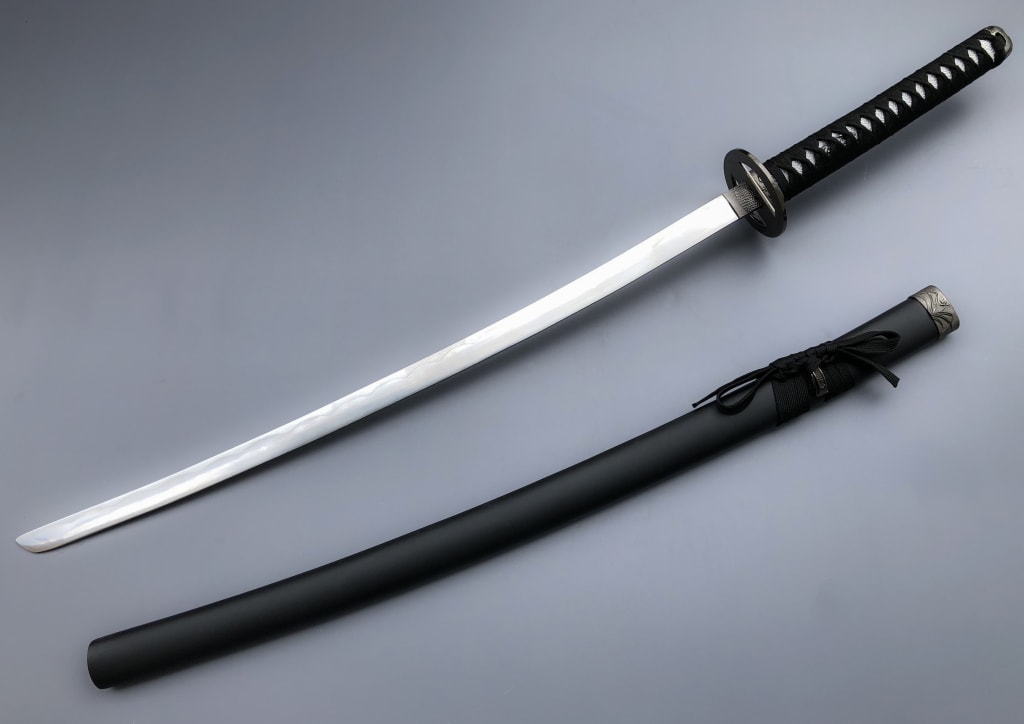
Samurai swords, which represent the creativity, discipline, and fighting spirit of feudal Japan, are among the most recognizable weapons in the world. Samurai swords are prized artifacts, works of art, and symbols of respect in addition to being weapons. They are distinguished by their graceful curves, sharp edges, and cultural importance.
What Are Samurai Swords?
Samurai swords are the blades customarily wielded by Japan's warrior class, known as samurai. The most well-known kind is the katana, which is distinguished by its long, two-handed grip, square or circular guard, and curved, thin, single-edged blade. Samurai swords also include the wakizashi, a shorter companion sword, and the tachi, which is worn hanging with the edge facing down.
These swords, which were tailored for samurai fighting methods, were made to cut as well as thrust. Beyond their practical use, samurai swords symbolized the prestige, honor, and commitment to Bushido, the samurai's code of behavior.
The History of Samurai Swords
Samurai swords have been in development for more than a millennium. Chokutō, or early Japanese swords, were straight and mostly based on Korean and Chinese designs. The curved katana, which was more appropriate for mounted fighting and quick-draw methods, started to appear in the late Heian period (8th–12th century).
Swordsmithing flourished during the Kamakura period (1185–1333) and the Muromachi period (1336–1573). In order to create a robust, flexible blade with a sharp edge, master swordsmiths developed methods for repeatedly folding steel. In addition to improving performance, this procedure gave samurai swords their unique hamon (temper line) and beauty.
By the Edo period (1603–1868), Japan entered a time of relative peace, and samurai swords became symbols of social status, artistry, and cultural heritage rather than just battlefield tools.
Craftsmanship Behind Samurai Swords
The creation of samurai swords is a meticulous art form, combining metallurgy, precision, and aesthetics. Traditional swordsmithing involves several key steps:
Material Selection – High-quality tamahagane steel is chosen for its strength and ability to form a sharp edge.
Folding and Forging – The steel is heated, hammered, and folded repeatedly to remove impurities and enhance flexibility.
Shaping – The blade is carefully formed with the correct curvature, balance, and edge geometry.
Tempering – A clay mixture is applied to the blade before heating and quenching to produce the hamon line and strengthen the cutting edge.
Polishing – Skilled polishers bring out the beauty of the blade, revealing details like grain patterns and the temper line.
Mounting – Handles (tsuka), guards (tsuba), and sheaths (saya) are crafted and attached, often decorated with intricate designs reflecting the samurai’s status or clan.
Every step requires patience, precision, and years of expertise, which is why authentic samurai swords are highly valued as both weapons and works of art.
The Cultural Significance of Samurai Swords
Samurai swords were extensions of the samurai's character rather than merely tools. It was a sign of pride and responsibility to carry a katana. The blade represented the warrior's willingness to uphold Bushido, the code of ethics that places a strong emphasis on loyalty, self-control, and bravery, while defending family, lord, and nation.
Apart from their use in combat, samurai swords frequently had elaborate patterns and unique embellishments, making them treasures that were handed down through the ages. Combining use, aesthetics, and spiritual meaning, the sword reflected the samurai's identity.
Samurai Swords in Modern Times
Samurai swords are still in great demand today among historians, martial artists, and collectors. While contemporary handcrafted copies enable admirers to experience the workmanship and legacy of the samurai, authentic antique swords can command substantial prices at auction.
Samurai swords are used in training for martial arts disciplines like Kendo, Iaido, and Kenjutsu, which emphasize time, accuracy, and respect for the blade. Display swords preserve the artistry of traditional Japanese swordsmithing and are frequently employed for ceremonial or ornamental purposes.
Caring for a Samurai Sword
Owning a samurai sword comes with the responsibility of proper maintenance to preserve its beauty and functionality. Key care practices include:
Cleaning the Blade – Regularly wipe the blade with a soft cloth to remove fingerprints, dust, and moisture.
Oiling – Apply a thin layer of oil to prevent rust, especially for carbon steel blades.
Storage – Store the sword in a dry, stable environment, ideally in a horizontal position or a display stand.
Handling – Avoid unnecessary contact with the edge, and handle the sword respectfully to preserve its integrity.
Proper care ensures that a samurai sword can be enjoyed for generations, maintaining both its historical value and aesthetic appeal.
The Enduring Legacy of Samurai Swords
Samurai swords are classic representations of skill, integrity, and fighting customs. Their sophisticated appearance, deadly effectiveness, and profound cultural significance continue to arouse admiration worldwide. The samurai sword's legacy endures, from the battlefields of ancient Japan to contemporary martial arts dojos and collectors' exhibits.
These swords represent discipline, artistry, and history and are more than just weapons. Possessing, learning, or using a samurai sword provides a special bond with the samurai spirit and serves as a constant reminder of the value of talent, integrity, and commitment.
A samurai sword is a true work of art made of steel that embodies the ideal fusion of practicality, beauty, and cultural heritage for anyone interested in Japanese history, martial arts, or exquisite craftsmanship.
About the Creator
Keep reading
More stories from writers in History and other communities.
Writing To Succeed
If you want to find something that will help readers find your writing, possibly expand your audience, and maybe even get you noticed for other things, then you’re not alone. But how can you get it done in a world full of want-to-be writers? Look less at what you’re writing now, and more at what other writers have used to boost their views and reads.
By Jason Ray Morton 5 days ago in Writers




Comments
There are no comments for this story
Be the first to respond and start the conversation.