
The Tragedy of Mahsa Amini: When a Woman's Freedom Becomes Dangerous
A Struggle for Freedom
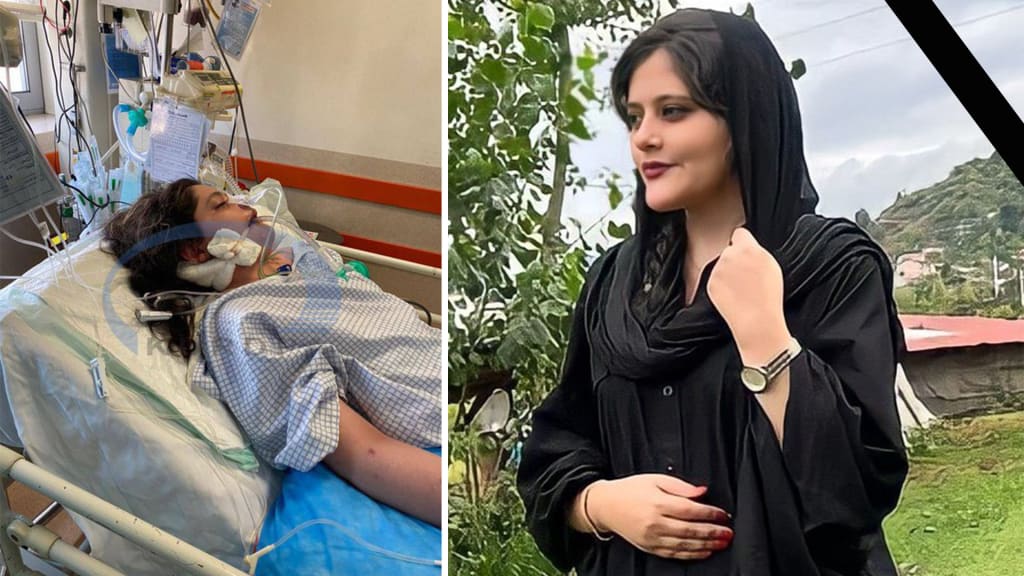
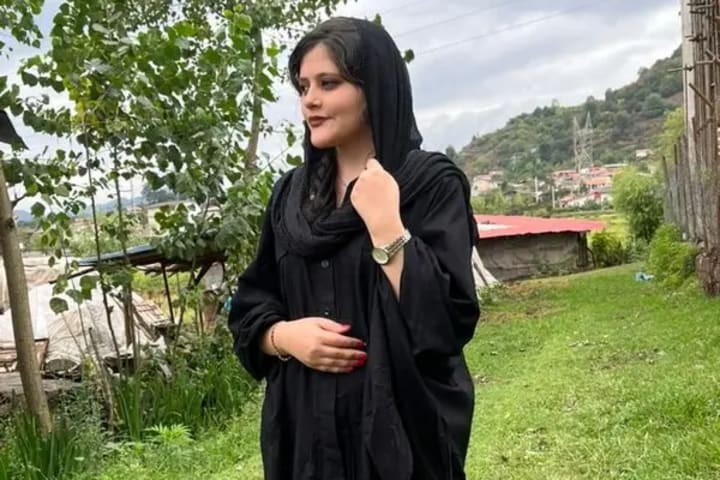
In countries like Iran, women are required to wear the hijab, and the rules are extremely strict. Even a small violation can have serious consequences. The tragic example of Mahsa Amini shows just how dangerous this pressure can be.
Mahsa Amini, born in 2000, was arrested while walking on the street with her brother. The reason: she was not wearing her hijab properly. Witnesses reported that she was beaten and tortured by the police. Authorities denied any involvement in her death, but multiple witnesses confirmed that Mahsa was assaulted both in the police van and at the detention center. Brain scans that appeared online showed multiple cranial fractures, hemorrhaging, and brain swelling.
Arrest and Detention
On September 14, 2022, Mahsa and her brother Kiaraș traveled from Sanandaj to Tehran for a family visit. Around 6:30 PM, as they exited Shahid Haqqani metro station, police stopped them because Mahsa was not wearing her hijab correctly.
She was forcibly placed in a van with other young women, while her brother protested and was informed that Mahsa would be taken to the detention center on Vozara Street for “re-education” and released later that evening.
According to one of the girls in the van, Mahsa and the others protested along the way, but the police used physical violence to silence them. Another girl at the Vozara center said Mahsa began feeling unwell, but no one intervened. As their protests grew, the police used batons and pepper spray. Mahsa eventually lost consciousness, and two police officers unsuccessfully tried to resuscitate her.
Outside the detention center, about 60–70 people were waiting for the girls’ release. Screams could be heard from inside, and the crowd began banging on the door, ultimately being attacked by police with batons and pepper spray.
Shortly after, Mahsa was transported by ambulance to Kasra Hospital, where she was admitted to the intensive care unit in a coma. The hospital was quickly surrounded by security agents and officials from the Ministry of Intelligence, who did not allow anyone to take photos. Her family was threatened not to speak to the press. Despite this, on September 15, photos of Mahsa intubated appeared online. She passed away on September 16.
Evidence and Controversies
Iranian authorities claimed that Mahsa died of a heart attack, citing comorbidities such as epilepsy, diabetes, and a 2007 brain tumor surgery. The police released footage from the detention center showing her apparently falling unconscious.
Her family denied these claims, saying Mahsa was healthy. Her father, Amjad Amini, told BBC Persian that the authorities lied about the circumstances of her death and did not allow him to see her at the hospital. At her funeral, her body was fully covered except for her face and feet, which showed mysterious bruises.
Impact and International Reactions
Mahsa’s death sparked massive protests in Iran and drew international attention to the severe restrictions imposed on women. Her case became a symbol of the struggle for women’s rights and freedom of expression.
Organizations like Human Rights Watch and Amnesty International called on Iranian authorities to properly investigate her death and condemned the treatment Mahsa received. Protests quickly spread across multiple cities, with a clear message: “Women should not die for choosing how to dress.”
The tragedy of Mahsa Amini is not an isolated case. It highlights how difficult it can be to be a free woman in some countries. Her story serves as a reminder that fundamental rights must never be violated.
Articles like this are not just for information—they help us understand the suffering of others and raise awareness of injustices in the world. Even in the face of repression, Mahsa’s voice continues to inspire and mobilize people, reminding us that justice and freedom must never be forgotten.
About the Creator
Keep reading
More stories from writers in Humans and other communities.
Thief In The Night
To the thief in the night that took and replicated what once was mine: Honestly, I feel kind of bad for you. It’s funny, because we hardly know each other. I only know of you through the magazines you’ve written and the broadcasts you have televised in the past — as well as through the public mentions of you from your show business connections there.
By Snarky Lisa5 days ago in Humans
TUS NUA - ch 53
TUS NUA – ch 53 New Beginnings – Mia and Midnight (*)(*)(*) Finola knew Ali’s brother-in-law needed to put his mind at rest. She fed her arm through his and led him outside. “We’ll sit here. If you like, I can put a block around us so our conversation will be private.”
By Margaret Brennan4 days ago in Fiction


Comments
There are no comments for this story
Be the first to respond and start the conversation.