
Doja Cat Admits She Criticized Timothée Chalamet for “Virtue Signaling” — Then Walks It Back
A viral celebrity debate about opera, ballet, and internet outrage just took an unexpected turn

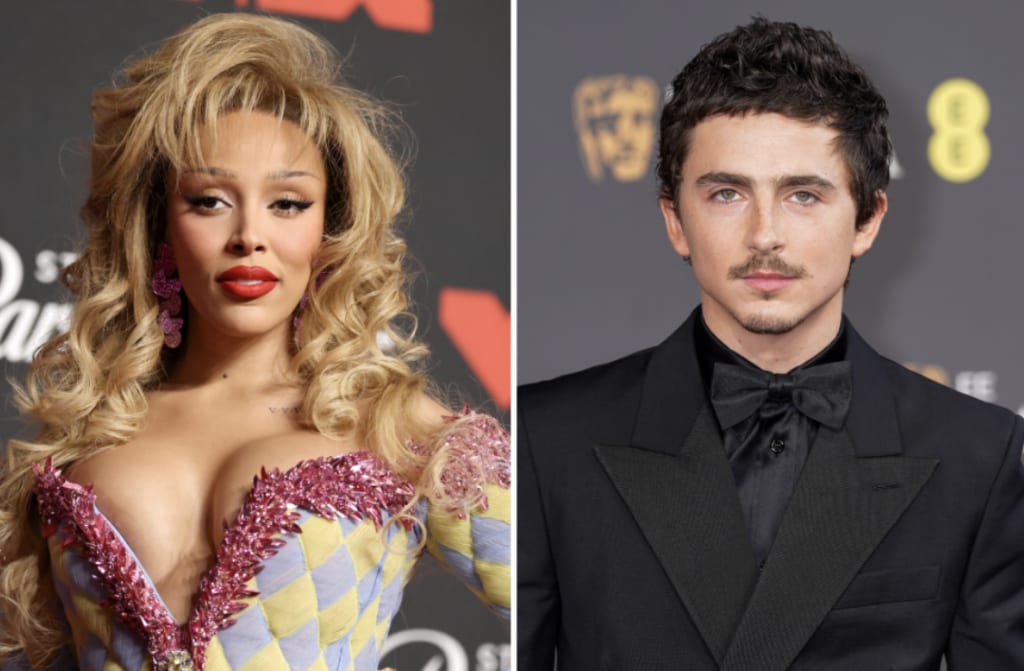
What began as a cultural debate about classical art forms quickly became another example of how quickly online outrage spreads—and fades.
Singer and rapper Doja Cat recently admitted she regrets criticizing actor Timothée Chalamet over his controversial comments about opera and ballet. In a surprising twist, she openly acknowledged that her reaction was less about the art forms themselves and more about chasing validation online.
The moment has sparked a wider conversation about internet outrage, virtue signaling, and the pressure celebrities feel to comment on trending controversies.
How the Controversy Started
The debate began after Chalamet made comments during a public discussion about the future of cinema. While speaking about how the film industry is changing, he referenced other traditional art forms and suggested that ballet and opera have become niche audiences.
At one point, he implied that “no one cares” about these art forms anymore, though he later clarified he still respected the people involved in them.
Still, the remark quickly spread across social media and triggered backlash from performers and fans of classical arts.
Several artists and public figures stepped in to defend ballet and opera as culturally important traditions that still have passionate audiences today.
Doja Cat Joins the Criticism
Among those who responded was Doja Cat, who posted a TikTok video criticizing Chalamet’s comments.
In the video, she argued that ballet and opera performers deserve respect and that people still care deeply about these art forms. She emphasized the dedication and discipline required to participate in classical performance.
At the time, her reaction aligned with the wave of criticism directed at Chalamet across social media.
But the story didn’t end there.
The Surprising Walk-Back
Shortly after the video went viral, Doja Cat posted a follow-up message that surprised many people.
Instead of doubling down, she admitted that her reaction may have been driven by social media dynamics rather than genuine conviction.
She openly stated that her outrage was essentially “virtue signaling”—a way to gain approval, clicks, and validation online.
She also revealed something even more unexpected:
She has never actually attended a ballet or an opera performance herself.
In other words, she realized she was criticizing someone else about something she didn’t have direct experience with.
A Rare Moment of Internet Self-Awareness
In today’s social media landscape, it’s far more common for celebrities to double down during controversies rather than admit fault.
That’s why some observers saw Doja Cat’s response as refreshingly honest.
Instead of pretending expertise, she acknowledged that she had joined the debate impulsively and later decided it wasn’t something she was qualified to weigh in on.
Some commentators even suggested that her admission highlights a broader reality of internet culture: many people jump into viral debates not because they care deeply about the issue, but because participating in the discourse brings attention.
The Bigger Cultural Conversation
The debate also reopened a long-standing question about traditional arts versus modern entertainment.
Opera and ballet have existed for centuries and remain culturally influential, but their audiences are much smaller compared to mass entertainment industries like pop music, film, and streaming media.
For some people, Chalamet’s comments reflected a harsh reality about shifting cultural interests.
For others, the backlash was about defending artistic traditions that continue to inspire performers and audiences worldwide.
Even other musicians entered the discussion, with artists defending classical forms and arguing that niche art can still have profound cultural value.
What the Moment Says About Online Culture
Ultimately, the controversy may say less about ballet or opera and more about how conversations unfold on the internet.
Social media rewards quick reactions, viral criticism, and dramatic takes—often before people fully reflect on what they’re responding to.
Doja Cat’s decision to publicly admit she reacted impulsively may have unintentionally highlighted something deeper: how much modern discourse is shaped by algorithms, attention, and validation.
In an online world where outrage spreads faster than reflection, the rare act of stepping back might be the most surprising move of all.
About the Creator
Navigating the World
News, commentary on entertainment, music, influencers, and modern culture, upcoming artists, politics, and more. Everything you need to know — all in one place.
Keep reading
More stories from Navigating the World and writers in Journal and other communities.
Author’s Advice
If you would’ve asked me 20 years ago did I know I’d become a writer and an author, I would’ve said “nope, ain’t happening”. As fate would have it I did become an author and I can honestly say I’m loving it so far. It really does feel good to be a writer. I’ve learned a lot on this journey and I feel like with even me being as new to this world as I am, there’s some wisdom I need to share with every other aspiring author.
By Joe Pattersona day ago in Journal
Lycan Lore
As the students of my 10am mythology class take their seats, I decide to steer the day's curriculum away from Greek and dive into a Western European discourse on the misaligned beliefs of the Werewolf. A tale of truth or fiction. No one really knows.
By Lamar Wigginsabout 23 hours ago in Fiction




Comments
There are no comments for this story
Be the first to respond and start the conversation.