
War in Iran Triggers Chaos in Global Oil Market
Global energy markets are reeling as the Iran conflict sparks supply disruptions, price spikes, and economic uncertainty worldwide.
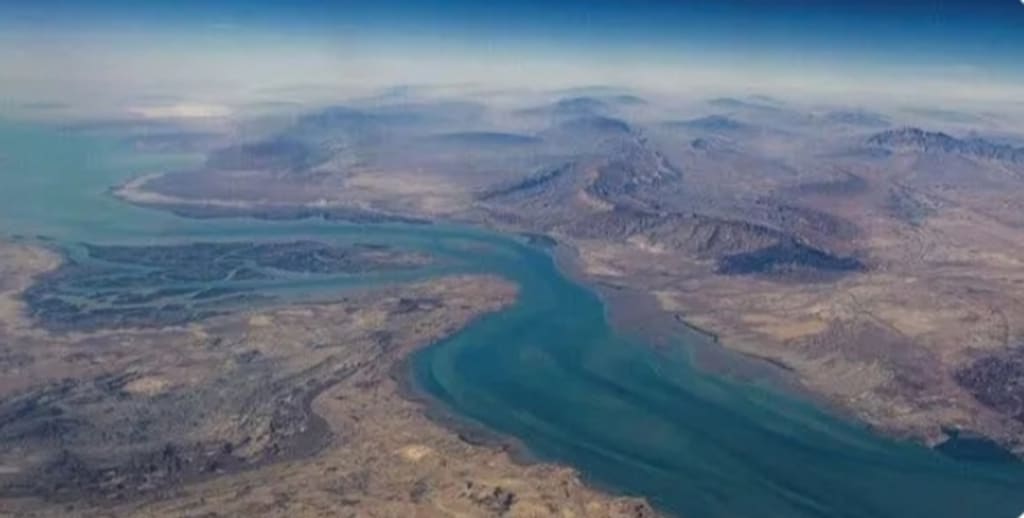
The ongoing war involving Iran has sent shockwaves through global oil markets, triggering dramatic price swings and raising concerns about energy security. What began as a regional conflict has quickly evolved into a crisis with worldwide implications, affecting energy prices, trade flows, and economic stability.
Oil Prices Surge Amid Supply Fears
One of the most immediate effects of the conflict has been a sharp increase in crude oil prices:
Brent crude surpassed $100 per barrel, briefly reaching above $115, reflecting fears of supply shortages.
West Texas Intermediate (WTI) followed suit, rising sharply as traders price in geopolitical risks.
The primary driver behind these spikes is the disruption of key supply routes, particularly the Strait of Hormuz, through which nearly one-fifth of the world’s oil and LNG normally transit. Military activity and restricted shipping in this strategic chokepoint have significantly heightened supply risk perceptions.
The Strait of Hormuz: A Critical Flashpoint
Shipping through the Strait of Hormuz has been severely limited due to military activity and warnings from Iranian forces. Gulf producers such as Iraq, Kuwait, and the UAE have had to reduce output as oil storage capacity fills, further tightening global supply.
This disruption is a stark reminder of how geopolitical tensions in a single region can ripple through international markets, affecting both production and transportation of critical energy resources.
Market Volatility: Dramatic Swings
The conflict has created extreme volatility in oil markets:
Prices spiked on renewed hostilities and then fell on diplomatic reassurances.
Speculative traders faced massive gains and losses as markets swung unpredictably.
Energy futures experienced heightened trading volume and sharp intraday movements.
Such volatility reflects deep uncertainty in global energy markets and highlights the sensitivity of the oil economy to geopolitical crises.
Economic Consequences Beyond Energy
Rising oil prices have broad economic implications:
Inflation and Consumer Costs
Higher crude prices translate into more expensive gasoline and diesel, squeezing household budgets and driving inflation higher, particularly in import-dependent countries.
Global Growth Risks
Persistent energy price spikes can slow economic growth. Analysts estimate that a sustained 10% increase in oil prices could raise inflation by 0.4% globally and reduce economic output by 0.2%.
Supply Chain Strain
Industries dependent on energy, such as manufacturing and logistics, face higher costs, potentially resulting in product price increases and supply shortages.
Geopolitical Uncertainty Amplifies Market Risk
The Iran conflict has drawn attention from multiple global powers, increasing the risk of escalation. Analysts warn that prolonged tensions could result in further supply disruptions, potentially pushing crude prices as high as $150 per barrel if conflicts persist.
Coordinated releases from strategic reserves and alternative supply sources are being discussed, but these measures take time to implement and may only partially offset the disruption.
Regional Producers Respond
Middle Eastern producers are taking emergency measures to cope:
QatarEnergy declared force majeure on some LNG contracts due to attacks and supply chain interruptions.
Iraq reported a production drop of up to 60%, illustrating how logistics constraints can overwhelm even major producers during wartime.
These disruptions not only tighten supply but also create ripple effects throughout global energy markets.
Broader Economic Impact
The effects of high oil prices extend beyond energy markets:
Import-dependent countries face inflationary pressures, currency depreciation, and increased costs.
African nations reliant on imported fuels are especially vulnerable, triggering conservation measures and austerity policies.
Global financial markets are jittery, with equity markets reacting to uncertainty and energy-dependent sectors seeing declines.
Safe-haven assets like gold and government bonds have surged amid investor risk aversion.
What Lies Ahead
The future of global oil markets will depend on several factors:
Duration and intensity of the Iran conflict
Success of diplomatic de-escalation efforts
Coordinated releases from emergency petroleum reserves
Ability of alternative producers to ramp up supply
Until these dynamics stabilize, oil markets are expected to remain volatile, with wide-ranging implications for global economies.
Conclusion
The war in Iran has thrown global oil markets into turmoil. From soaring prices and threatened shipping lanes to inflationary pressures and disrupted supply chains, the crisis illustrates the interconnection between geopolitics and energy security.
As governments, businesses, and consumers adapt to rising costs, the situation underscores both the fragility of global energy systems and the profound impact regional conflicts can have on the world economy.
Related Reading:
Oil prices surge as US-Israeli war on Iran greatly disrupts supply�
How are EU and member states reacting to energy crisis triggered by Iran war?�
How Russia Emerged as an Early Winner of the Iran War�
Global oil and gas prices hit multi-year records due to war with Iran�
Economic Watch: Global oil price surge, market turmoil�
About the Creator
Ukraine's P1SUN Drone Interceptor Sold to the US for Gulf Defence
Oh, the irony of it all. The sale of Ukrainian P1SUN interceptor drones to the US is a hugely significant event. This agreement, which involves the delivery of an initial 1,000 units to the Middle East, reflects the urgent requirement for cost-effective solutions to counter prolific loitering munitions such as the Iranian-designed Shahed series.
By James Marinero5 days ago in Journal
Mastering Operational Excellence
In today’s fast-paced business environment, organizations are constantly searching for ways to stay competitive, maintain quality, and scale efficiently. While strategy, innovation, and market positioning are important, the true differentiator often lies in operational excellence. It’s not a buzzword—it’s a discipline that transforms ordinary organizations into high-performing, resilient enterprises.
By Kenneth Kremskya day ago in Journal




Comments
There are no comments for this story
Be the first to respond and start the conversation.