
A wildflower in California reveals a newly documented evolutionary process
Scarlet monkeyflower adapts rapidly to historic drought, offering rare evidence of evolution in action. Scientists document evolutionary rescue in a native California wildflower amid climate stress. Rapid genetic change in wildflower populations sheds light on nature’s ability to adapt to extreme conditions. New research reveals how California’s scarlet monkeyflower survived megadrought through natural selection. Wildflower evolution observed firsthand as populations rebound after severe environmental pressure.


In a remarkable breakthrough for evolutionary biology, researchers studying wildflower populations in California have documented one of the clearest cases yet of rapid genetic evolution occurring in nature. The findings, centered on the bright red scarlet monkeyflower (Mimulus cardinalis), reveal how some plant populations were able to adapt and recover following the region’s most severe drought in over a millennium — providing tangible evidence of an evolutionary process known as evolutionary rescue.
The scarlet monkeyflower, a wildflower native to moist areas along streams and springs in California, has long been familiar to botanists and hikers alike for its vivid blooms and distinctive habitat. However, during the early 2010s, California experienced an unprecedented megadrought that lasted several years, killing hundreds of millions of trees and dramatically altering the ecological landscape. While many plant species suffered catastrophic declines, some populations of Mimulus cardinalis showed a surprising resilience.
Scientists from multiple institutions undertook a long‑term study to understand how this wildflower weathered such extreme conditions. Over eight years, researchers tracked 55 populations of the monkeyflower across its natural range, closely monitoring their numbers and health. They also conducted whole‑genome sequencing to observe genetic changes over time, looking for evidence that natural selection had acted on specific traits.
The results were illuminating. At sites where populations had nearly collapsed — with numbers dropping by as much as 90% — genetic analysis revealed consistent shifts in allele frequencies across the genome. These shifts were not random; they were associated with traits that likely enhanced drought tolerance, enabling some individuals to survive and reproduce where others perished. As these “advantaged” genotypes became more common, the population as a whole began to recover, a hallmark of what biologists call evolutionary rescue.
Evolutionary rescue occurs when the genetic variation present within a population allows it to adapt fast enough to avoid extinction under sudden environmental stress. While theoretical models have long predicted such processes, direct evidence in the wild—especially involving plants—has been limited. This study is among the first to document genomic changes in natural plant populations that are clearly linked to a major environmental crisis.
For decades, evolutionary biologists have debated how quickly natural selection can operate in real‑world scenarios. Classic case studies like Darwin’s finches in the Galápagos have demonstrated adaptive changes in beak shape over a few generations. But plant studies have often lagged behind, in part because many species have long lifecycles or reproduce clonally, making rapid evolution harder to detect. The California wildflower case breaks new ground by combining long‑term fieldwork with cutting‑edge genomic analysis.
Researchers noted that the recovery of the monkeyflower populations did not happen overnight — it took roughly two to three growing seasons for numbers to rebound significantly. Yet in evolutionary terms, this pace is considered rapid. The drought likely imposed intense selective pressure, filtering out less drought‑tolerant genotypes and leaving behind a smaller cohort better suited to the harsh conditions. As these were the individuals contributing more seeds to the next generation, their genetic traits spread through the population.
The implications of this research extend beyond wildflowers. As climate change accelerates and extreme weather events become more frequent, scientists are increasingly interested in how species will respond — whether through behavioral changes, migration, or evolutionary adaptation. Cases like Mimulus cardinalis suggest that some species may harbor the genetic diversity necessary to adapt swiftly when environments change dramatically. However, not all species will be so fortunate, and the mechanisms of evolutionary rescue are still not fully understood.
“This is one of the clearest cases we've seen where a wild plant species shows genomic evidence of adapting to extreme environmental stress,” said one of the study’s lead authors. “It gives us hope that under certain conditions, natural selection can work fast enough to help populations persist — but it also raises many questions about the limits of such adaptation.”
The study’s methods also signal a new era in ecological research. By combining consistent field monitoring with high‑resolution genetic data, scientists can now track evolution as it happens rather than inferring processes from fossils or distant historical records. This “real‑time” view of evolution may become vital for conservation efforts, helping biologists identify which populations are most at risk and which may have the inherent capacity to adapt.
For conservationists, the findings underscore both the resilience and vulnerability of natural ecosystems. While some populations like the scarlet monkeyflower demonstrate extraordinary adaptive potential, others with limited genetic diversity may face a greater threat of decline or extinction as climates shift. Understanding the genomic underpinnings of adaptation could therefore inform strategies to protect biodiversity in a warming world.
As research progresses, scientists hope to explore similar evolutionary dynamics in other species and regions. The California wildflower study stands as a testament to the power of modern genomics and long‑term ecological research — and a reminder that evolution, far from being a slow, imperceptible force, can sometimes unfold before our eyes.
About the Creator
Fiaz Ahmed
I am Fiaz Ahmed. I am a passionate writer. I love covering trending topics and breaking news. With a sharp eye for what’s happening around the world, and crafts timely and engaging stories that keep readers informed and updated.
Keep reading
More stories from Fiaz Ahmed and writers in Longevity and other communities.
Two People Die After Paid Plasma Donation at Clinics in Canada
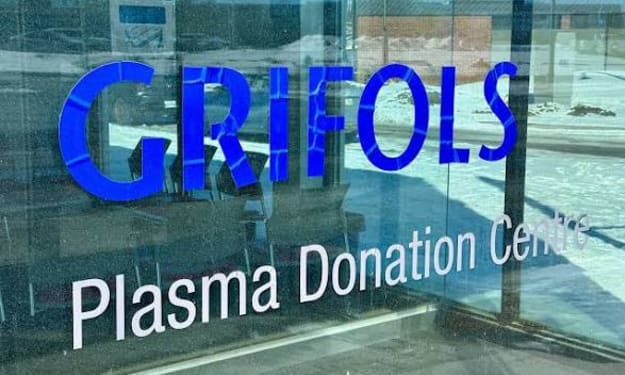
Two people have died in Canada after giving plasma at for‑profit donation clinics, prompting a federal probe and renewed debate over donor safety, industry regulation, and the ethics of paid plasma collection. The deaths—described by officials as “fatal adverse reactions”—occurred months apart and involved the same chain of clinics operating under a private model that compensates donors. Health Canada, the federal department responsible for regulating plasma donation centers, confirmed it has received reports of two deaths connected to plasma collection procedures at for‑profit clinics in Winnipeg, Manitoba. The first occurred in October 2025, and the second in January 2026. Both deaths are now the subject of active review by federal inspectors as authorities seek to determine whether the procedures or equipment used contributed to the incidents. Officials have not publicly identified the individuals involved, but friends of one victim told local media she was a 22‑year‑old international student who was donating plasma when she suddenly went into distress and subsequently died. The clinics where the donations took place are operated by the Spanish healthcare company Grifols, which runs approximately 17 paid plasma donation centers nationwide. Grifols has stated it is cooperating with Health Canada’s investigation, and insists it “has no reason to believe there is a correlation” between the deaths and the plasma donation process. How Paid Plasma Donation Works in Canada Plasma—the liquid component of blood—contains proteins essential for manufacturing medicines that treat conditions such as hemophilia, immune deficiencies, and certain neurological disorders. Unlike whole blood, plasma can be donated more frequently because the other components are returned to the donor’s body during the procedure. Until recently, paid plasma donation was illegal in several parts of Canada. However, starting in the early 2020s, Grifols entered into agreements with Canadian Blood Services and provincial health authorities that allow the company to offer financial compensation—typically up to about C$100 per visit—to donors in select provinces including Manitoba and Saskatchewan. The arrangements have expanded as domestic demand for plasma products has grown. Canadian Blood Services notes that local plasma collection still only meets a fraction of the country’s need for these critical medical materials. While voluntary (unpaid) blood and plasma donation remains the standard in provinces such as Quebec and British Columbia, paid plasma centers have opened in others under regulatory exemptions and agreements designed to boost supply. The practice is controversial, with advocates for a voluntary system warning that payments can encourage frequent or risky donation behavior among donors who may be financially vulnerable. Investigation and Safety Concerns Health Canada has dispatched inspectors to the Winnipeg clinics following the reported fatalities. Preliminary information indicates that both incidents occurred during or shortly after individuals underwent the standard plasma donation process, and were categorized by authorities as “fatal adverse reactions,” requiring mandatory reporting to the federal regulator. Regulatory records for the clinics have also drawn scrutiny. Recent inspections in provinces where Grifols operates identified deficiencies including incomplete record‑keeping, lapses in donor screening, and inconsistent maintenance of equipment—issues that raise questions about compliance with the Food and Drugs Act and federal blood regulations. Critics argue that the string of problems, including two deaths, illustrates deeper structural weaknesses in how paid plasma donation is overseen. “When you have a private company operating these clinics, you lose control over much of the industry,” said a blood safety advocate. “Public accountability and transparency should be paramount when people’s lives are literally at stake.” For many Canadians, memories of the tainted blood scandal of the 1980s—when thousands were infected with HIV and hepatitis C through contaminated blood products—still loom large. That crisis led to major reforms and strict safeguards to protect donors and recipients. Some experts fear the renewed reliance on paid, private plasma collection may erode that hard‑won trust in the system. Response Grifols has reaffirmed that it follows stringent screening protocols and that donors undergo health evaluations before each appointment. The company says it has implemented corrective plans to address any non‑compliance identified by inspectors and is focused on preventing future issues. Canadian Blood Services expressed sorrow over the deaths but emphasized that safety remains its highest priority. The national body highlighted that plasma donation, when properly regulated and monitored, is generally considered safe and that serious adverse reactions are rares. Patient advocates and public health groups, however, are calling for greater transparency and stricter oversight. With paid plasma donation still a relatively new phenomenon in Canada, many are urging regulators to release more detailed information on the causes of the deaths and whether systemic changes are needed to protect donors. What Happens Next Health Canada’s investigation could take weeks or months to complete as officials review medical records, equipment logs, and operational procedures at the affected clinics. If regulatory breaches are found to have contributed to the fatalities, authorities could impose penalties, require corrective action plans, or even suspend operations at the centers. For now, the tragic deaths underscore the importance of robust safety standards in medical donation settings and have reignited debate over the role and regulation of for‑profit clinics in Canada’s blood and plasma landscape.
By Fiaz Ahmed about 15 hours ago in Longevity


Comments
There are no comments for this story
Be the first to respond and start the conversation.