
How Iran’s women footballers took asylum in Australia and what happens next
Players escape political pressure and seek protection under Australia’s humanitarian visas. A dramatic exodus highlights the risks facing women athletes in Iran. Asylum decisions mark a turning point for Iran’s women’s football team abroad. Australia offers refuge to athletes fearing persecution back home. The story of courage, risk, and the uncertain path ahead for fleeing footballers.

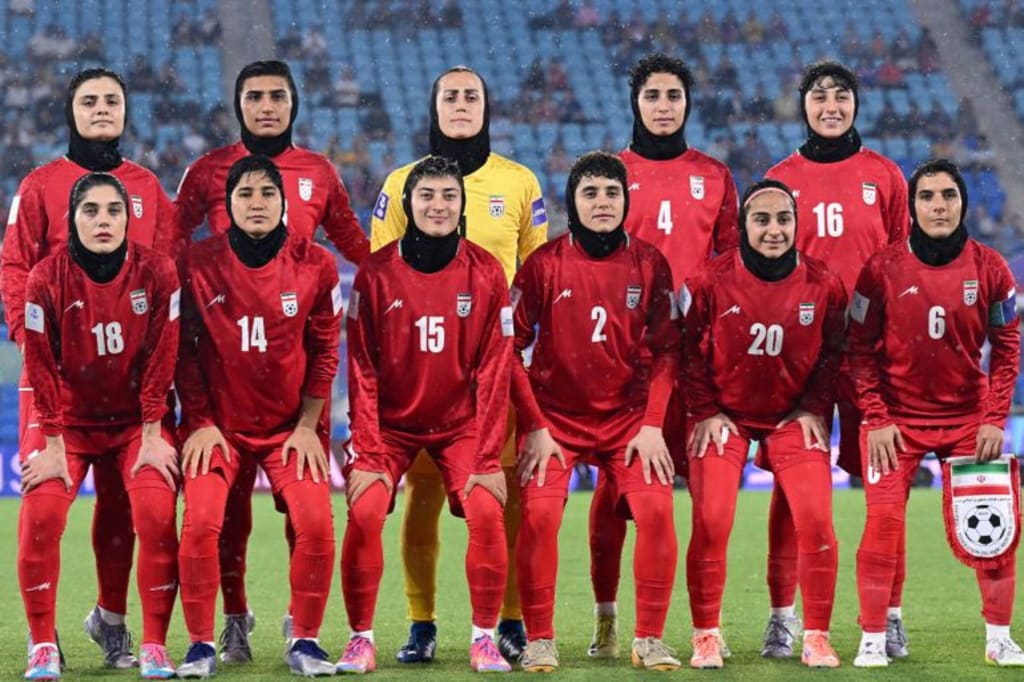
In a dramatic development during the 2026 AFC Women’s Asian Cup in Australia, members of the Iran women's national football team sought asylum after fearing persecution if forced to return to Iran. The events unfolded against a backdrop of political tension and mounting safety concerns for women athletes from Iran.
The Trigger: Protest and Backlash
The situation first drew global attention after several Iranian players refused to sing the national anthem before one of their matches. State media in Iran condemned the act, labeling the athletes “traitors” and warning they could face reprisals at home. Fears intensified as the squad remained in contact with authorities and media back in Iran criticized them for their stance.
While the team continued its tournament on Australian soil, safety concerns grew. Iranian authorities reportedly sent security personnel with the delegation, raising alarm among diaspora communities and advocacy groups.
Escape from the Team Hotel
In the early days of March, as the tournament concluded, at least five players slipped away from their hotel on the Gold Coast with assistance from the Australian Federal Police and Queensland Police. They were initially escorted to a secure location.
Home Affairs Minister Tony Burke personally met with the group, explaining Australia’s offer of Temporary Humanitarian Visas and the protections they provide. By the early hours, five players had formalised their asylum applications.
Australian officials emphasized that the process was confidential and designed to ensure the players could make informed, voluntary decisions without pressure from any side. The government stated the visas would give the women a legal pathway to remain in Australia and eventually seek permanent residency.
Growing Numbers and a Changed Decision
Reports soon emerged that at least seven members of the Iranian squad had sought asylum, as others either refused to board return flights or made choices to remain in Australia.
However, the situation evolved rapidly when one team member, initially granted asylum, changed her mind and requested to return to Iran. She contacted the Iranian embassy, inadvertently revealing the location of the safehouse where other asylum seekers were being protected. Australian authorities responded swiftly by relocating the remaining women to a new secure facility.
Iran’s Reaction and Diplomatic Tensions
The Iranian government strongly criticized Australia’s actions, accusing Canberra of “holding the players hostage” and interfering in Iran’s internal affairs. Iranian officials framed the asylum offers as provocative, drawing sharp responses from both countries’ diplomatic channels.
Meanwhile, Australian authorities maintained that every team member was offered the chance to choose whether to stay, stressing that asylum decisions were voluntary. They also clarified that visas were only granted to those assessed as genuinely in need of protection; individuals linked to certain Iranian security entities were not offered asylum.
What Happens Next — For the Players
For the women who elected to stay in Australia, the immediate future involves navigating the legal and logistical process of asylum applications. Temporary Humanitarian Visas generally include protection from forced return and may lead to a pathway for longer-term residency, with access to support services and, in some cases, work and study rights.
Media coverage suggests the Australian government is continuing to offer asylum opportunities to other team members willing to make the request before they depart the country. Officials highlight that protections are available under Australia’s humanitarian framework for people at risk of persecution.
Broader Implications
The case has sparked international debate about the intersection of sports, politics, and human rights. Advocacy groups say the asylum requests spotlight the dangers faced by women in Iran, particularly those who defy social or political norms. Critics warn that without stronger international protections, athletes traveling for competitions can find themselves vulnerable to punitive actions by their home governments.
Observers also note that asylum during international events, while rare, is not unprecedented. But the highly public nature of this case and the global media attention have underscored how geopolitical tensions can spill onto the playing field and force life‑altering decisions for athletes far from home.
As the situation continues to unfold, the stories of these footballers will remain a poignant example of how sports and human rights can intersect under extraordinary circumstances.
About the Creator
Fiaz Ahmed
I am Fiaz Ahmed. I am a passionate writer. I love covering trending topics and breaking news. With a sharp eye for what’s happening around the world, and crafts timely and engaging stories that keep readers informed and updated.
Keep reading
More stories from Fiaz Ahmed and writers in The Swamp and other communities.
Attacks Reported on Three More Cargo Ships in Gulf, With Oil Prices Climbing Near $100
Fresh attacks on three cargo ships in the Gulf region have heightened concerns about maritime security and pushed global oil prices close to the $100-per-barrel mark, underscoring the fragile stability of energy supply routes in the Middle East. According to shipping industry sources and regional officials, the vessels were targeted in separate incidents while navigating waters near the strategically crucial Strait of Hormuz and surrounding Gulf shipping lanes. The attacks reportedly involved drones or small explosive devices, although investigations are ongoing and the exact methods used have not been fully confirmed. The Strait of Hormuz, situated between Iran and Oman, serves as one of the world’s most important energy corridors. Nearly a fifth of global oil shipments pass through the narrow waterway each day, transporting crude from major producers such as Saudi Arabia, United Arab Emirates, and Kuwait to markets in Asia, Europe, and beyond. Security officials say the three affected cargo vessels sustained varying levels of damage but were able to remain afloat and continue to nearby ports for inspection. No fatalities were reported, though several crew members were said to have suffered minor injuries. The incidents come amid rising geopolitical tensions across the Middle East. Western governments and regional observers have linked recent maritime disruptions to broader regional confrontations involving Iran and its allies, though responsibility for the latest attacks has not yet been officially attributed. Naval forces operating in the Gulf quickly responded after distress signals were transmitted by the ships. Patrol vessels from the U.S. Fifth Fleet, based in Manama in Bahrain, reportedly moved into the area to assist with monitoring and escort operations while investigators began assessing the situation. The U.S. Navy and its partners have maintained a heightened presence in the Gulf since a series of attacks on oil tankers in recent years raised fears that commercial shipping could become a target in wider regional disputes. Maritime security patrols are often coordinated through the multinational International Maritime Security Construct, which includes several allied nations. Energy markets reacted swiftly to the news. Traders cited concerns that repeated incidents could disrupt the flow of oil through the Gulf, a scenario that historically leads to rapid price spikes. Benchmark crude prices surged during trading sessions, approaching the symbolic $100 threshold that many economists see as a warning sign for the global economy. Analysts note that oil markets are particularly sensitive to threats around the Strait of Hormuz because there are few alternative routes capable of handling such massive export volumes. Even temporary disruptions or perceived risks can drive speculation and push prices higher. The attacks also highlight the growing use of asymmetric tactics in maritime conflicts. Security experts say relatively inexpensive drones, mines, and fast attack boats can pose serious threats to large commercial vessels navigating narrow waterways. Regional tensions have already been elevated by the continuing repercussions of the Israel–Hamas war, which has drawn multiple actors into confrontations across the Middle East. Shipping routes in nearby seas have increasingly become strategic pressure points in the broader geopolitical struggle. Iran has repeatedly warned that instability in the region could threaten maritime traffic, particularly if it perceives pressure on its own energy exports. Western governments, however, have accused Iranian-linked forces of attempting to intimidate international shipping to gain leverage in diplomatic disputes. Shipping companies are now reassessing risk levels for vessels traveling through Gulf waters. Insurance premiums for tankers and cargo ships transiting the region have already begun to climb as underwriters factor in the possibility of further attacks. Despite the rising tensions, maritime authorities say commercial traffic through the Strait of Hormuz continues to move, albeit with heightened caution. Many ships are operating with additional security protocols, including increased surveillance and closer coordination with naval forces. Diplomats and energy analysts warn that continued incidents could have broader consequences beyond the shipping industry. If attacks persist and oil prices remain elevated, the ripple effects could be felt across global economies already struggling with inflation and energy supply concerns. For now, the Gulf remains one of the world’s most critical—and increasingly vulnerable—energy arteries. As investigations into the latest attacks continue, governments and shipping companies alike are watching closely to see whether the region’s fragile balance can be maintained or whether tensions will push the vital trade corridor toward a deeper crisis.
By Fiaz Ahmed about 20 hours ago in The Swamp
Parallel Protests
I haven't written for quite some time, but I have A LOT of thoughts about yesterday's protest rally against our government's involvement and complicity in America's war on Iran, on the harbourside of my home city Bristol, and I need to put them somewhere. My gorgeous girlfriend is always a loving and listening ear and sharing it all with her will always be a healthy and happy way of processing the mental and emotional weight, but getting it straight in my brain to share means writing it all down in straight lines, so, here we are and thanks for being here.
By Steph Cole9 days ago in The Swamp
Lycan Lore
As the students of my 10am mythology class take their seats, I decide to steer the day's curriculum away from Greek and dive into a Western European discourse on the misaligned beliefs of the Werewolf. A tale of truth or fiction. No one really knows.
By Lamar Wigginsabout 9 hours ago in Fiction


Comments
There are no comments for this story
Be the first to respond and start the conversation.