
Trump sets his sights on crisis-hit Cuba after Iran action
U.S. president signals Cuba may be the next focus of American foreign policy after conflict with Iran.

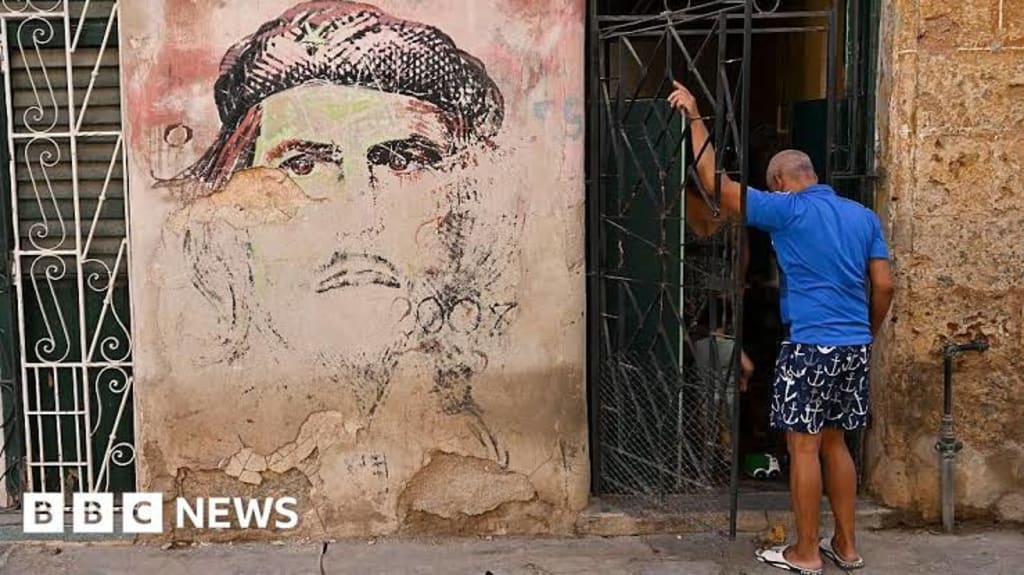
Following escalating tensions and military action involving Iran, Donald Trump has indicated that crisis-stricken Cuba could become the next major focus of U.S. foreign policy. His remarks have intensified speculation about Washington’s strategy in the Caribbean and raised concerns in Havana about potential economic and political pressure from the United States.
Speaking during a recent interview and at a White House event, Trump suggested that the United States is currently prioritizing the situation in Iran, but hinted that attention could soon shift toward Cuba once developments in the Middle East stabilize. He predicted that the communist-run island nation, which has been grappling with a severe economic crisis, may soon face dramatic political change.
“Cuba is going to fall pretty soon,” Trump reportedly said, adding that the Cuban leadership is eager to negotiate with Washington after decades of strained relations.
Economic Crisis in Cuba
Cuba is currently facing one of the most difficult economic periods in its modern history. The island has been dealing with chronic fuel shortages, electricity blackouts, rising food prices, and declining imports. Much of the pressure has been intensified by tighter U.S. sanctions and the disruption of energy supplies from Venezuela, a longtime ally that once provided significant oil shipments to Havana.
The Business Standard
Recent U.S. measures targeting fuel flows to Cuba have significantly reduced the island’s energy supplies. Without reliable oil imports, Cuba has struggled to maintain electricity production, transportation networks, and industrial activity. These economic hardships have increased social pressure inside the country and fueled speculation about political instability.
Analysts say the worsening conditions have made Cuba more vulnerable to external diplomatic pressure. Washington believes the crisis could force the Cuban government to negotiate reforms or open discussions with the United States.
Rubio’s Potential Role
Trump has also suggested that Marco Rubio, whose family fled Cuba after the revolution, could play a central role in any negotiations with Havana. Rubio has long been one of the strongest critics of the Cuban government in U.S. politics and has advocated for policies aimed at encouraging political change on the island.
The president praised Rubio’s work on Cuba-related issues and indicated he may be tasked with leading diplomatic efforts should the United States move forward with engagement or pressure strategies targeting the island’s leadership.
Strategic Shift in U.S. Policy
Trump’s remarks reflect a broader shift in U.S. foreign policy strategy. In recent years, Washington has taken a more assertive stance toward governments it considers adversarial, particularly in Latin America and the Middle East. Observers note that the administration appears willing to combine economic sanctions, diplomatic pressure, and strategic military actions to influence political outcomes abroad.
Some analysts view Trump’s comments as part of a broader geopolitical strategy aimed at reshaping regional power dynamics. Cuba has long been a symbol of resistance to U.S. influence in the Western Hemisphere, and any major shift in its political system would have significant consequences for Latin America.
Concerns and International Reaction
The possibility of increased U.S. involvement in Cuba has sparked debate among international observers. Supporters argue that pressure from Washington could accelerate democratic reforms and economic liberalization on the island. Critics, however, warn that aggressive policies could worsen humanitarian conditions for ordinary Cubans or escalate tensions between the two countries.
Officials in Havana have previously condemned U.S. sanctions and pressure campaigns, describing them as attempts to undermine Cuba’s sovereignty. The Cuban government has repeatedly stated it is open to dialogue but rejects any efforts to force political change from abroad.
Uncertain Future
For now, the United States remains focused on developments in Iran, but Trump’s remarks suggest that Cuba could soon become a major issue on Washington’s foreign policy agenda. Whether this leads to negotiations, increased sanctions, or broader geopolitical confrontation remains uncertain.
What is clear is that the deepening crisis inside Cuba and shifting U.S. priorities could bring a new chapter in the long and complicated relationship between the two nations.
About the Creator
Fiaz Ahmed
I am Fiaz Ahmed. I am a passionate writer. I love covering trending topics and breaking news. With a sharp eye for what’s happening around the world, and crafts timely and engaging stories that keep readers informed and updated.
Keep reading
More stories from Fiaz Ahmed and writers in The Swamp and other communities.
Defence Force Plane Bound for Middle East to Help New Zealanders Stranded by Conflict
New Zealand’s government has deployed a Defence Force aircraft to the Middle East to assist citizens stranded amid escalating conflict, demonstrating the country’s commitment to the safety and security of its nationals abroad. The mission comes as regional instability has intensified, threatening the safety of foreign nationals, including New Zealanders, living and traveling in affected areas. The Royal New Zealand Air Force (RNZAF) confirmed that a C-130 Hercules transport plane is en route to coordinate evacuations and provide logistical support. Defence Minister Andrew Little emphasized that the deployment is precautionary but necessary to ensure that New Zealand citizens can leave high-risk zones safely. “New Zealanders’ safety is our top priority,” Minister Little said. “We are closely monitoring the situation and taking all necessary measures to assist those affected by the conflict. This aircraft will support evacuation efforts and provide transport for New Zealanders who need to return home.” Responding to Rising Regional Tensions The deployment follows a surge in hostilities across parts of the Middle East, including missile strikes, airspace restrictions, and armed clashes. Governments worldwide have been scrambling to evacuate citizens from areas experiencing sudden escalations. New Zealand’s initiative reflects both proactive planning and international cooperation. Officials are liaising with foreign governments, regional authorities, and international organizations to facilitate safe passage and avoid potential conflict zones. Airspace coordination is particularly critical, as commercial flights may be limited or diverted due to military activity in the region. The Role of the Defence Force Aircraft The RNZAF’s C-130 Hercules is a versatile transport aircraft capable of carrying personnel, vehicles, and essential supplies. Its deployment allows for rapid extraction of citizens from high-risk locations, as well as the transport of humanitarian aid if required. Military officials note that the aircraft’s ability to operate in challenging environments is crucial for ensuring the safe evacuation of New Zealanders. The plane will also provide real-time updates to the Ministry of Foreign Affairs and Trade (MFAT) regarding conditions on the ground, enabling better coordination of subsequent flights and support services. Assisting New Zealanders Abroad New Zealand’s government has urged citizens traveling or living in the Middle East to register with the Smart Traveler Enrollment Program (STEP) or the local equivalent maintained by MFAT. The ministry has also set up a 24-hour contact line to provide guidance, updates, and support to New Zealanders affected by the conflict. “For those in affected areas, it is vital to stay informed and follow the advice of authorities,” said an MFAT spokesperson. “Our teams are working around the clock to ensure all New Zealanders are safe and accounted for.” The Defence Force deployment underscores the country’s commitment to rapid, coordinated responses in crises. It also illustrates the importance of military assets in supporting humanitarian and evacuation operations, especially in regions where commercial travel may be disrupted or unsafe. International Cooperation and Challenges Evacuations in conflict zones often require careful coordination with multiple governments and organizations. Officials must navigate airspace restrictions, security checkpoints, and local regulations, all while maintaining the safety of evacuees and crew. New Zealand’s deployment is part of a broader international trend, as countries prioritize the safety of their citizens amid unpredictable regional conflicts. Lessons learned from previous evacuations, such as those in Afghanistan and Iraq, have informed planning and operational readiness for missions like this one. Looking Ahead The RNZAF aircraft is expected to make multiple trips, depending on the number of New Zealanders requiring evacuation and the evolving security situation. Meanwhile, the government continues to assess the situation in real time, ready to deploy additional support if necessary. By taking swift action, New Zealand demonstrates its commitment to protecting its citizens overseas while navigating complex regional security challenges. For New Zealanders in the Middle East, the arrival of the Defence Force plane provides a lifeline and a measure of reassurance amid ongoing uncertainty.
By Fiaz Ahmed 6 days ago in The Swamp
Parallel Protests
I haven't written for quite some time, but I have A LOT of thoughts about yesterday's protest rally against our government's involvement and complicity in America's war on Iran, on the harbourside of my home city Bristol, and I need to put them somewhere. My gorgeous girlfriend is always a loving and listening ear and sharing it all with her will always be a healthy and happy way of processing the mental and emotional weight, but getting it straight in my brain to share means writing it all down in straight lines, so, here we are and thanks for being here.
By Steph Cole9 days ago in The Swamp
US Foreign Policy About Iran
Regime change, change control—these are all the issues involved. What do you actually want? Politically, what is your real endgame? The United States has never really cared about what will happen to the people of Afghanistan. You saw it just four or five years ago—how much concern did the U.S. show about the people it was leaving behind and what the Taliban might do to them?
By Ibrahim Shah a day ago in The Swamp


Comments
There are no comments for this story
Be the first to respond and start the conversation.