
What Makes Overwater Dreams So Irresistible (And Why They're Here to Stay)
Maldives Water Villas: Your Ultimate Dream Escape
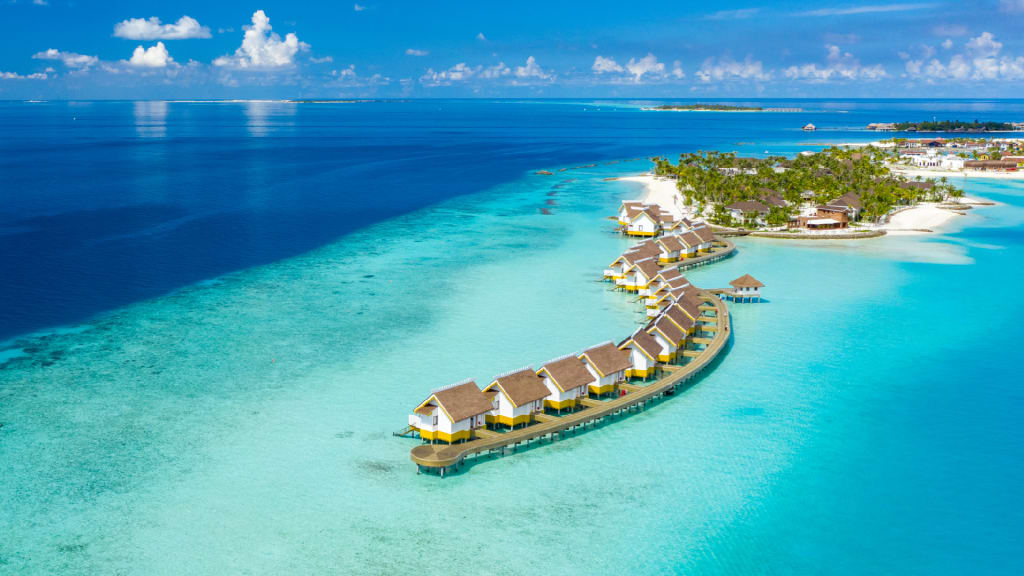
Overwater accommodation represents one of hospitality's most enduring innovations. These structures suspended above tropical waters continue capturing imaginations decades after their introduction, proving their appeal extends far beyond fleeting trends.
Direct Ocean Access
The defining feature of overwater villas centres on immediate water entry from private spaces. Guests descend stairs directly from their deck into warm lagoons without navigating crowded beaches or shared facilities. This convenience transforms a planned activity into a spontaneous one. Mornings might begin with coffee and a quick dip before breakfast, while evenings invite quiet swims under the stars, all without leaving the villa. The constant proximity to the ocean creates a relationship with the water unlike those offered from shore-based rooms. Snorkelling gear stored on the deck allows instant exploration of house reefs whenever curiosity strikes. This unrestricted ocean access particularly appeals to water enthusiasts who value freedom over structured schedules. The elimination of beach towel reservations, crowded pool areas, and timed water sport sessions allows guests to interact with the marine environment on their own terms and timing.
Privacy and Space
Water surrounds each villa on multiple sides, creating natural barriers between neighbours. Sound travels differently over water, with wave noise masking conversations and activity from adjacent villas. The physical distance between structures prevents visual overlap, allowing guests to use outdoor spaces without feeling observed. This arrangement particularly suits honeymooners or anyone seeking genuine seclusion during their holiday. Many designs incorporate multiple deck levels, outdoor showers, private plunge pools, and dining areas that effectively double the living space. Hospitality management companies increasingly prioritise spacious layouts as many travellers demonstrate a willingness to pay premium rates for privacy and square metreage. The separation also benefits families with children who appreciate dedicated play spaces without disturbing neighbours. Solo travellers find peaceful environments for reading, meditation, or work without interruption.
Architectural Beauty
The visual appeal of overwater structures contributes significantly to their enduring popularity. These buildings balance form with function, creating aesthetically pleasing designs whilst withstanding harsh marine conditions. Traditional architectural elements often influence modern interpretations, with thatched roofs, natural timber, and open-plan layouts reflecting regional heritage. Glass floor panels placed throughout the villa allow constant views of marine life swimming below. High ceilings and floor-to-ceiling windows maximise natural light while framing ocean panoramas. The positioning over water creates unique sunset and sunrise viewing opportunities from bed, bath, or deck. Many properties incorporate local craftsmanship in furniture, fixtures, and decorative elements. S Hotels and Resorts exemplifies this approach at their Maldivian properties, where contemporary design meets traditional influences across their overwater villas. The attention to detail extends to outdoor spaces with carefully placed loungers, dining tables, and hammocks that encourage outdoor living. Lighting design considers both functionality and ambience, with fixtures that illuminate evening activities whilst preserving stargazing opportunities. Colour palettes typically draw from surrounding greenery, utilising ocean blues, sand tones, and sunset hues that connect interiors with the seascape.
Environmental Connection
Living above the ocean fosters a deeper appreciation for marine ecosystems. Guests can observe tidal changes, weather patterns, and wildlife behaviour from their floating sanctuary. Afternoon heat draws reef fish to shaded areas beneath the villa, while evenings may deliver bioluminescent plankton that glow blue when water moves. These constant natural displays create educational opportunities about marine conservation and ecosystem fragility. Many resorts incorporate environmental programmes that teach guests about coral restoration, sustainable fishing, and ocean protection. The proximity to nature encourages participation in conservation activities such as reef monitoring, beach cleanups, and wildlife surveys. Properties increasingly adopt sustainable building practices using solar panels, water recycling systems, and eco-friendly materials that minimise environmental impact. The visibility of marine life from the villa creates emotional connections that motivate conservation support long after holidays end.
Overwater villas succeed because they deliver experiences different from conventional beach resorts. The combination of ocean access, genuine privacy, and environmental immersion creates value that justifies premium pricing. As travellers increasingly seek authentic connections with nature and unique accommodations that facilitate memorable experiences, overwater villas remain perfectly positioned to meet these desires, ensuring their continued popularity for decades ahead.
About the Creator
Keep reading
More stories from Claudia Fennel and writers in Wander and other communities.
How to Design a Journey Through Oman with Ancient Sites and Coastal Adventures
Oman is one of the most amazing destinations on the Arabian Peninsula, giving visitors a rare mix of tropical islands, desert dunes, emerald wadis, and mountain terraces, as well as a number of historic towns. Planning a road trip here brings these landscapes together and gives travellers the perfect opportunity to enjoy them. With the right pacing, thoughtful stops and comfortable accommodation, the journey becomes a rich mix of culture, scenery and slow travel.
By Claudia Fennel3 months ago in Wander
Worth the Wait: Puerto Viejo, Costa Rica
Beach bumming in a small Caribbean beach town sounded like a perfect way to end our 6-month trip through Mexico and Central America. Or so we thought. The foul, fishy stench of rotten seaweed hit our nostrils as we stepped from the cramped bus and looked out at a rather depressing, empty, and underwhelming black sand beach. It was pouring with rain, and we had to quickly fish out our ponchos. We thought, this couldn’t be it, could it?
By Sh*t Happens - Lost Girl Travel7 days ago in Wander
Watching The Total Lunar Eclipse and Blood Moon...March 3rd 2026.
By a stroke of good luck - I just happened to be in Colorado to watch (or squint) at the 2026 Lunar Eclipse in the wee hours of the morning. It was freezing cold, but who can resist the beautiful Rocky Mountain peaks as the antics in the sky compete with dawn. The advent of morning grudgingly pausing in its beginning of yawning awake.
By Novel Allen4 days ago in Wander


Comments
There are no comments for this story
Be the first to respond and start the conversation.