Fiaz Ahmed
Bio
I am Fiaz Ahmed. I am a passionate writer. I love covering trending topics and breaking news. With a sharp eye for what’s happening around the world, and crafts timely and engaging stories that keep readers informed and updated.
Stories (1507)
Filter by community
How Polar Geopolitics Are Creeping Into the Arctic Winter Games. AI-Generated.
For decades, the Arctic Winter Games has symbolized cooperation among northern communities scattered across some of the world’s most remote regions. Athletes from Alaska, northern Canada, Greenland, and Nordic territories have gathered to celebrate sport, culture, and shared Arctic identity. Yet in recent years, the quiet camaraderie that once defined the games has increasingly been overshadowed by geopolitical tensions shaping the polar region. The Arctic is no longer viewed merely as a frozen frontier. Instead, it has become a strategic arena where global powers compete for influence, resources, and security advantages. As this competition intensifies, the ripple effects are beginning to reach even small regional sporting events. A Sporting Tradition Rooted in Cooperation First held in 1970, the Arctic Winter Games was designed to bring together athletes from northern regions that often felt disconnected from national sporting systems. Participants compete in sports such as cross-country skiing, biathlon, and hockey, alongside unique Indigenous events like the one-foot high kick and knuckle hop. The games emphasize friendship, youth development, and cultural exchange rather than fierce national rivalry. Many delegations represent subnational regions—such as Alaska or Yukon—rather than entire countries. This structure historically insulated the competition from the political tensions that sometimes affect larger international sporting events. But as global interest in the Arctic grows, maintaining that neutrality is becoming more difficult. The Arctic’s Rising Strategic Importance In recent decades, melting sea ice has transformed the Arctic from an isolated wilderness into a region of economic and strategic potential. New shipping routes, expanded fishing zones, and access to untapped oil and gas reserves have drawn attention from major powers. The eight countries represented in the Arctic Council—including the United States, Canada, Russia, and the Nordic nations—have long cooperated on environmental protection and scientific research. However, geopolitical tensions have increasingly strained this collaboration. The most dramatic turning point came after the Russian invasion of Ukraine in 2022. In response, several Western Arctic states suspended many forms of cooperation with Russia. While the Arctic Winter Games are not directly governed by the council, the broader political rift has influenced regional exchanges across the north. Russia’s Absence and Its Effects Historically, athletes from Russia’s Arctic regions occasionally participated in northern sporting exchanges, though they were never a consistent presence at the Arctic Winter Games. The deterioration of relations between Russia and Western countries has further reduced opportunities for such interactions. This absence has symbolic implications. The Arctic spans vast territory across Russia, and excluding athletes from these areas limits the sense of pan-Arctic unity that the games once aimed to foster. Officials involved in organizing the event often emphasize that sport should remain separate from political disputes. Yet in practice, travel restrictions, sanctions, and diplomatic tensions make participation increasingly complicated. Security and Infrastructure Concerns Geopolitics is also affecting how northern governments think about infrastructure in the Arctic. Investments in transportation, telecommunications, and military presence have increased in several regions, particularly in areas close to strategic waterways. For communities that host the Arctic Winter Games, these developments can be both beneficial and controversial. Improved infrastructure may make it easier to stage international sporting events, but it also reflects growing military and strategic competition in the region. For example, Arctic airports and ports used by civilian travelers—including athletes and spectators—are sometimes located near facilities with strategic importance. As governments strengthen their Arctic presence, the overlap between civilian life and geopolitical interests becomes more visible. Indigenous Perspectives One of the defining features of the Arctic Winter Games is its celebration of Indigenous culture. Many participants belong to Indigenous communities that span national borders across the Arctic. For these communities, geopolitical tensions can feel distant from everyday life yet still influence regional cooperation. Cross-border travel, cultural exchanges, and joint initiatives may become more difficult when relations between national governments deteriorate. Indigenous leaders often emphasize that the Arctic should remain a zone of peace and collaboration. They view cultural and sporting gatherings as important tools for maintaining unity among northern peoples despite the political divisions that exist at the state level. The Symbolic Power of Sport Throughout modern history, sports have often reflected global politics. Events such as the Olympic Games have experienced boycotts, diplomatic protests, and ideological rivalries during periods of international tension. The Arctic Winter Games was never intended to become part of that pattern. Its founders envisioned a friendly competition where northern youth could meet peers from similar environments and cultures. Yet even regional sporting events cannot remain entirely separate from geopolitical realities. As the Arctic becomes more central to global strategy, almost every form of cross-border cooperation—whether scientific, economic, or cultural—feels the impact. Preserving the Spirit of the Games Despite these challenges, organizers remain determined to preserve the cooperative spirit that has defined the event for more than half a century. Many believe that maintaining dialogue through cultural and sporting exchanges is more important than ever. Youth athletes who travel to the Arctic Winter Games often experience their first opportunity to meet people from other Arctic regions. These connections help build a shared identity that transcends national boundaries. In a time when the Arctic is attracting increasing geopolitical attention, that sense of unity may prove invaluable. While global politics continue to reshape the polar region, the games stand as a reminder that the Arctic is not only a strategic frontier—it is also home to communities determined to celebrate cooperation, culture, and friendship on the ice and snow.
By Fiaz Ahmed 3 days ago in Journal
Why is figure skating not in the Paralympics?. AI-Generated.
The grace and athleticism of figure skating make it one of the most iconic winter sports. At the Winter Olympics, skaters combine strength, artistry, and technical skill to captivate audiences around the world. Yet despite its global popularity, figure skating is notably absent from the Winter Paralympics. This absence often raises questions among fans and athletes alike: why hasn’t the sport been included for athletes with disabilities? The answer lies in a combination of historical development, classification challenges, safety considerations, and the way Paralympic sports are structured. The Origins of Paralympic Winter Sports The Winter Paralympics began in 1976 in Örnsköldsvik, Sweden, as a small event designed primarily for athletes with mobility impairments and visual disabilities. Early sports included alpine skiing and cross-country skiing, which were easier to adapt for athletes with various physical limitations. Over time, other sports such as Para Ice Hockey (also known as sled hockey) and Wheelchair Curling were added. These sports shared something important: they could be modified relatively easily for athletes with different disabilities while maintaining fairness in competition. For example, in para ice hockey, athletes sit on sleds with two blades and use sticks for both propulsion and puck control. This adaptation allows athletes with lower-body impairments to compete effectively. Figure skating, however, presents more complicated challenges. The Difficulty of Classification One of the central principles of the Paralympic movement, overseen by the International Paralympic Committee, is classification. Athletes must compete against others with similar levels of physical function to ensure fair competition. In sports like skiing, classification systems can adjust timing or group athletes based on disability categories. Figure skating, however, relies heavily on precise balance, jumps, spins, and complex footwork performed on thin blades. Even small differences in mobility, limb strength, or coordination can drastically affect performance. Designing classification systems that fairly evaluate athletes with a wide variety of disabilities—such as limb loss, cerebral palsy, or visual impairment—would be extremely complex. For example, a skater missing one leg would face very different challenges than a skater with limited arm movement or impaired vision. Because scoring in figure skating is already subjective—judges evaluate artistry, execution, and technical difficulty—introducing multiple disability categories could make judging even more complicated and potentially controversial. Safety Concerns Safety is another important factor. Figure skating involves high-speed rotations and jumps that can exceed several revolutions in the air. Falls are common even among elite Olympic skaters. For athletes with certain physical impairments, these elements may pose higher risks of injury. While adaptive techniques could potentially reduce those risks, developing safe equipment and training systems would require extensive research and testing. In contrast, many Paralympic sports were designed from the start with adaptive equipment that reduces injury risk. For example, athletes in Para Alpine Skiing can use sit-skis that provide stability and protection while still allowing high performance on the slopes. Limited International Participation Another major requirement for inclusion in the Winter Paralympics is widespread international participation. A sport must have a strong global structure with athletes, competitions, and governing bodies across many countries. While adaptive skating programs exist in some regions, they are still relatively small compared to other winter sports. Organizations such as Special Olympics International include figure skating events for athletes with intellectual disabilities, but this system operates separately from the Paralympic movement. Without a large, organized international circuit for adaptive figure skating, it is difficult to meet the Paralympic criteria for inclusion. Efforts Toward Inclusive Skating Despite these obstacles, interest in adaptive skating continues to grow. In several countries, programs supported by the International Skating Union and national skating federations are exploring ways to make the sport more inclusive. Some experimental competitions feature modified routines for skaters using prosthetics or assistive equipment. Other programs focus on synchronized skating or artistic skating formats that place less emphasis on difficult jumps. Advocates believe that as technology improves—especially prosthetic design and adaptive training methods—more athletes with disabilities may be able to compete at higher levels in the sport. Could Figure Skating Join the Paralympics in the Future? While figure skating is not currently part of the Winter Paralympics, its absence does not mean it will never appear in the Games. The Paralympic program evolves over time as new sports develop broader participation and workable classification systems. Recent additions such as Para Snowboard show that the movement is open to expanding its winter sports lineup when the conditions are right. For figure skating to join the Paralympic program, several steps would likely be required: establishing international competitions, creating fair classification rules, and ensuring that athletes can compete safely. Until then, figure skating will remain a symbol of artistic excellence at the Winter Olympics, while the Winter Paralympics continues to grow with sports specifically adapted for athletes with disabilities. The ongoing push for inclusion suggests that the story of adaptive figure skating is still unfolding—and one day, Paralympic audiences may yet witness the elegance of skaters performing on the world’s biggest stage.
By Fiaz Ahmed 3 days ago in The Swamp
How high could oil prices go – and what might the global economic fallout be?. AI-Generated.
Oil prices have surged to levels not seen in over a decade, driven by geopolitical tensions, supply disruptions, and recovering demand following the pandemic. Analysts warn that continued increases could have severe consequences for global economic stability, affecting everything from consumer prices to corporate earnings and international trade. Understanding the potential trajectory of oil prices and the associated economic fallout is crucial for policymakers, businesses, and consumers alike. Geopolitical Drivers of Rising Oil Prices One of the primary factors behind the recent price spikes is ongoing conflict and political instability in key oil-producing regions. The Middle East has seen heightened tensions, including attacks on shipping routes, missile strikes, and regional military posturing, all of which threaten supply reliability. Countries such as Iran, Iraq, and Saudi Arabia remain central to global oil production, and any disruption in their output can have immediate ripple effects on prices. In addition, sanctions and trade restrictions imposed on major producers have further tightened supply. For example, sanctions targeting Iranian and Russian oil exports have reduced the global market’s flexibility, leaving consumers more vulnerable to price shocks. These geopolitical uncertainties are compounded by the fact that alternative suppliers are struggling to meet rising global demand, particularly as economies in Asia, Europe, and North America recover from pandemic-related slowdowns. Supply and Demand Dynamics The basic laws of supply and demand play a central role in determining oil prices. Global demand for oil has rebounded sharply as industries restart operations and consumers resume travel. Airlines, shipping, and manufacturing sectors are driving a surge in energy consumption, putting additional pressure on already constrained supplies. On the supply side, oil-producing countries have struggled to increase output sufficiently to meet demand. OPEC+ nations have implemented production caps, while infrastructure and investment constraints in other regions limit the ability to scale production quickly. Analysts estimate that even small disruptions in supply can cause significant price volatility, as markets remain finely balanced between shortage and oversupply. Economic Fallout Rising oil prices have far-reaching consequences for the global economy. One of the most immediate effects is inflation. Higher energy costs increase transportation, production, and consumer goods prices, placing upward pressure on overall consumer price indices. Central banks may respond with tighter monetary policy, raising interest rates to curb inflation, which in turn could slow economic growth. Higher energy prices also strain household budgets. Consumers spend more on gasoline, heating, and electricity, leaving less disposable income for other goods and services. This can dampen consumer demand, which is a critical driver of economic growth in many countries. In emerging markets, where energy costs already constitute a larger share of household expenditures, the impact is even more pronounced. For businesses, particularly those in energy-intensive industries such as manufacturing, logistics, and aviation, higher oil prices increase operational costs. Companies may pass these costs onto consumers, potentially reducing demand for their products, or absorb the costs, reducing profitability. Multinational corporations that operate across regions with varying fuel costs face additional financial complexity and risk exposure. Trade and Global Stability Surging oil prices also affect international trade balances. Oil-importing nations face higher import bills, which can worsen trade deficits and place downward pressure on national currencies. Conversely, oil-exporting countries may experience windfalls, boosting government revenues but potentially creating inflationary pressures domestically if not managed carefully. The interconnectedness of the global economy means that volatility in energy markets can create cascading effects. For example, rising oil costs may increase the price of shipping and logistics globally, raising costs for consumer goods, agricultural exports, and industrial inputs. Inflationary pressure may prompt governments to adjust fiscal policies, while central banks react with monetary tightening, creating a delicate balance between curbing inflation and sustaining growth. How High Could Prices Go? Predicting the ceiling for oil prices is inherently challenging due to the volatility of geopolitical events, market speculation, and demand fluctuations. Some analysts warn that prices could reach historically high levels if supply disruptions intensify or if major conflicts escalate. Others argue that market adjustments, such as increased production from non-OPEC countries, renewable energy adoption, and strategic petroleum reserves releases, may temper extreme price surges. Historical precedent suggests that prices above $150 per barrel, as seen in previous crises, can trigger severe economic consequences globally. At those levels, inflation accelerates, interest rates rise sharply, and global growth slows. Economists caution that prolonged periods of high energy prices could even lead to stagflation—a combination of stagnant growth and high inflation. Looking Ahead The trajectory of oil prices will depend on multiple factors: geopolitical stability, production decisions by major oil-exporting nations, technological advancements in energy alternatives, and global demand trends. Policymakers and investors are closely monitoring these variables to prepare for potential economic fallout. Consumers, businesses, and governments alike face the challenge of adapting to an environment of rising energy costs. Strategic reserves, energy efficiency measures, and diversification of supply sources may mitigate some of the impact, but sustained high prices are likely to reshape consumption patterns, trade flows, and investment decisions globally. In conclusion, while the exact ceiling for oil prices is uncertain, the economic consequences of sustained increases are clear: higher inflation, constrained growth, and significant adjustments for households, businesses, and governments worldwide. As the world navigates this volatile period, monitoring oil market developments and preparing for potential fallout remains a priority for all stakeholders.
By Fiaz Ahmed 3 days ago in Journal
France Is Sending a Large Naval Force to the Middle East. AI-Generated.
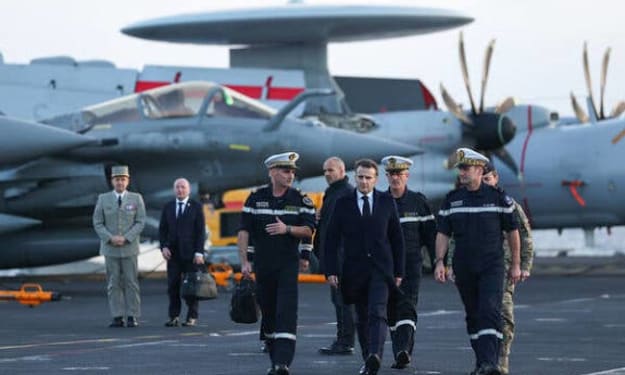
France has announced the deployment of a large naval force to the Middle East, signaling a heightened commitment to security and stability in a region facing escalating conflicts and maritime challenges. The move comes amid rising tensions involving Iran, Israel, and other Gulf states, with global powers closely monitoring developments in the region. The French naval task force will include a combination of frigates, destroyers, supply vessels, and advanced submarines capable of extended operations. Officials emphasize that the deployment is designed to support maritime security, safeguard shipping lanes, and participate in joint exercises with allied forces. The presence of these vessels in the strategic waters of the Persian Gulf and the Gulf of Oman reflects France’s broader strategic interests in the region. Defense analysts note that this deployment marks one of the most significant French naval operations in the Middle East in recent years. France has maintained a steady maritime presence in international waters to protect global trade routes, particularly through the Strait of Hormuz, a critical chokepoint for oil and gas shipments. The new task force demonstrates Paris’ ability to project power and respond rapidly to crises in distant regions. French officials have framed the mission as a stabilizing measure rather than a provocative move. “Our objective is to ensure the safety of international waters and support our allies while avoiding escalation,” said Admiral Pierre Vandier, who oversees France’s maritime operations. “We remain committed to dialogue and cooperation, but we will protect freedom of navigation and the security of critical maritime routes.” The deployment is expected to include collaborative operations with the United States, the United Kingdom, and other NATO partners already operating in the region. Exercises will focus on surveillance, anti-piracy measures, and coordinated maritime security operations. Analysts highlight that such multinational coordination enhances situational awareness and reinforces deterrence against potential adversaries. The decision to deploy a large force comes amid increasing incidents of drone and missile attacks in the region. Recent months have seen repeated strikes on shipping vessels, oil facilities, and military infrastructure, raising concerns about the safety of commercial shipping and regional security. French officials cite these developments as part of the rationale for strengthening their naval presence. In addition to security operations, France intends to use the deployment to provide humanitarian assistance and logistical support where necessary. Naval vessels in the region are equipped to deliver emergency aid, medical assistance, and disaster relief, reflecting a multifaceted approach to crisis response. Such operations are particularly relevant in the Gulf, where conflict and environmental hazards can threaten both civilian populations and vital infrastructure. The deployment also carries symbolic weight, signaling France’s ongoing engagement in Middle Eastern affairs. French leaders have consistently emphasized the importance of balancing diplomatic efforts with credible defense capabilities. By sending a substantial naval force, Paris underscores its role as a global power willing to act independently while coordinating with allies. International reactions to the announcement have been mixed. Some regional actors view the deployment as reassurance that key maritime routes will remain secure, while others perceive it as a potential escalation of military presence in an already tense environment. Analysts caution that maintaining transparency, communication, and coordination with regional partners will be essential to prevent misunderstandings and inadvertent clashes. French naval officials have stressed that the force will operate under international law, respecting territorial waters while ensuring the protection of commercial and civilian vessels. They also indicate that missions will be flexible, allowing the task force to respond quickly to emerging threats or humanitarian needs. Observers note that France’s decision reflects a broader trend of European powers taking a more active role in global security. With rising tensions in the Middle East, European nations are increasingly deploying military assets to protect strategic interests, support allies, and demonstrate the capability to act independently of U.S. forces when necessary. As the French task force sails toward the Middle East, defense and diplomatic communities are closely monitoring its movements. The deployment represents a combination of deterrence, humanitarian readiness, and strategic signaling, emphasizing France’s commitment to regional security and its capability to project power in distant theaters of operation.
By Fiaz Ahmed 3 days ago in The Swamp
As Kari Lake Sought to Shutter Voice of America, Parent Agency Rebuffed Auditors. AI-Generated.
A dispute over oversight and transparency has emerged within the United States’ international broadcasting system after reports revealed that efforts to shut down the government-funded broadcaster Voice of America were accompanied by resistance from its parent agency to outside scrutiny. At the center of the controversy is Kari Lake, a prominent political figure who has been a vocal critic of the broadcaster. Lake has repeatedly argued that Voice of America no longer fulfills its intended mission of promoting American values and providing reliable news to audiences around the world. According to individuals familiar with the situation, Lake advocated for dramatic structural changes that could have effectively shuttered the long-running media organization. However, the effort quickly collided with institutional resistance inside the federal government. Voice of America operates under the authority of the U.S. Agency for Global Media (USAGM), the independent agency responsible for supervising several U.S. international broadcasting outlets. These include Voice of America as well as Radio Free Europe/Radio Liberty and other global news services designed to counter disinformation and promote free media in regions where independent journalism is limited. The dispute intensified when government auditors attempted to review the agency’s operations and decision-making processes. According to reports, the inspectors encountered significant resistance when seeking documents and internal communications related to discussions about restructuring or potentially shutting down Voice of America. Auditors from the Office of Inspector General were tasked with evaluating governance practices within the broadcasting agency. Their investigation focused on whether senior officials had complied with transparency requirements and followed proper procedures while considering major policy decisions affecting the organization. But the auditors’ work was reportedly hindered when the agency refused to fully cooperate with certain document requests. Officials cited concerns about executive privilege, internal deliberations, and legal protections surrounding policy discussions. Critics, however, argue that such resistance undermines accountability and raises questions about how major decisions involving taxpayer-funded institutions are being handled. Voice of America, founded in 1942 during World War II, has long served as one of the United States’ primary tools of public diplomacy. Broadcasting in dozens of languages, the network reaches audiences across Africa, Asia, Europe, and the Middle East. Its mission is to provide accurate news, explain American policies, and support democratic values through independent journalism. Supporters of the network warn that shutting down or weakening the broadcaster would have far-reaching consequences. They argue that Voice of America plays a crucial role in countering propaganda from authoritarian governments and providing reliable information in countries where media freedom is restricted. Critics of the organization, however, claim that it has drifted from its original mission and no longer effectively serves U.S. strategic interests. Some political figures have argued that reforms—or even closure—should be considered as part of a broader reassessment of government-funded media programs. The controversy surrounding the auditors’ investigation has added another layer of complexity to the debate. Transparency advocates say that regardless of one’s views on Voice of America’s future, oversight of federal agencies must remain robust and independent. Experts in government accountability note that inspector general investigations are designed to ensure that agencies operate within the law and maintain proper governance standards. Any attempt to limit or obstruct such reviews can erode trust in public institutions. Meanwhile, employees and journalists working within Voice of America have been watching the developments closely. Many staff members fear that political battles over the network’s future could threaten its editorial independence and long-standing reputation as a credible international news source. As the dispute continues, it highlights the broader tensions between political oversight, institutional independence, and the role of government-funded journalism in the modern information landscape. Whether the controversy ultimately leads to major reforms, renewed oversight, or deeper political conflict remains uncertain. For now, the clash involving Kari Lake, the U.S. Agency for Global Media, and federal auditors underscores the challenges facing public broadcasting institutions at a time when global information wars and media influence are more intense than ever.
By Fiaz Ahmed 3 days ago in The Swamp
King Praises Commonwealth at Biggest Royal Gathering Since Andrew Arrest. AI-Generated.
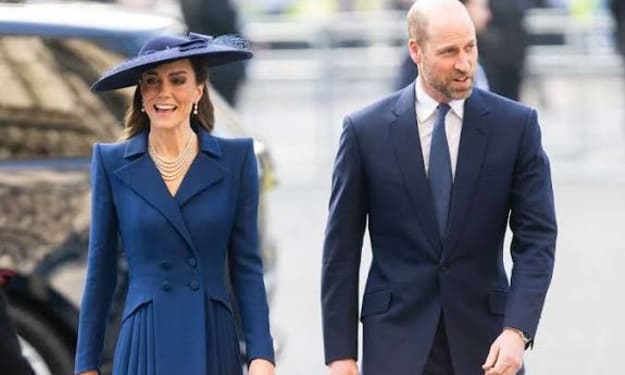
King Charles III addressed thousands of delegates and dignitaries from across the Commonwealth at what has been described as the largest royal gathering since the legal and public controversies surrounding Prince Andrew, Duke of York. The event, held at Buckingham Palace and broadcast across multiple member nations, was framed as a celebration of shared history, collaboration, and the ongoing relevance of the Commonwealth in a rapidly changing global landscape. The gathering brought together leaders, diplomats, and representatives from all 56 member states, including nations from Africa, the Caribbean, Asia, and the Pacific. In his speech, King Charles emphasized that the Commonwealth’s enduring value lies in the promotion of human rights, economic cooperation, and environmental stewardship. “Our strength is not in the power of any one nation, but in our shared commitment to service, mutual respect, and collaboration,” he said. The timing of the event carried symbolic weight. It comes nearly a year after Prince Andrew faced intense public scrutiny following allegations and legal challenges tied to his conduct. Though King Charles’s speech did not explicitly reference his brother’s controversies, observers noted that the tone of unity and moral responsibility implicitly acknowledged the need for integrity within the royal family. King Charles also highlighted the Commonwealth’s role in addressing global crises. He praised efforts to combat climate change, particularly initiatives led by island nations and developing countries that are most vulnerable to rising sea levels and environmental degradation. “The Commonwealth can lead by example, showing that sustainable practices and economic growth are not mutually exclusive,” he stated, adding that innovation and collaboration across member nations are critical to the success of these efforts. Several heads of government were present, including the prime ministers of Australia, Canada, and Jamaica, as well as key representatives from India, South Africa, and Nigeria. Delegates emphasized that the Commonwealth continues to provide a forum for dialogue on economic development, public health, and education. During bilateral meetings before and after the main ceremony, leaders discussed partnerships on technology transfer, trade, and health infrastructure, particularly in the context of the ongoing recovery from global pandemic challenges. The event also highlighted the monarchy’s cultural and ceremonial role. A ceremonial procession included representatives of various Commonwealth armed forces, traditional dancers from the Caribbean, and musicians from Africa and the Pacific. King Charles personally greeted attendees and took part in the traditional flag ceremony, during which the flags of all member states were displayed across the palace grounds. The spectacle was widely covered by international media, emphasizing both the ceremonial grandeur of the monarchy and the diversity of the Commonwealth community. Public reaction to the gathering has been mixed. Supporters praised the King for focusing on shared values and global cooperation, noting that the speech reinforced the relevance of the Commonwealth as an institution. Critics, however, questioned the monarchy’s continued prominence in international affairs, especially in light of Prince Andrew’s controversies and ongoing debates over the monarchy’s role in modern Britain. Some commentators suggested that the King used the occasion to reassert the moral authority of the royal family and redirect attention toward positive initiatives. During the Q&A session that followed the formal address, King Charles emphasized education and youth engagement as priorities for the Commonwealth. He announced plans to expand scholarship programs and mentorship opportunities, aiming to give young people across member states greater access to leadership development and international cooperation platforms. “The future of the Commonwealth depends on empowering the next generation to act with courage, integrity, and compassion,” he said. Experts on royal affairs noted that the gathering represents both a symbolic and practical effort by King Charles to strengthen the monarchy’s soft power. By emphasizing diplomacy, shared values, and service, the King aims to reinforce public confidence in the institution while navigating the challenges posed by internal controversies and shifting political attitudes across the Commonwealth. As the event concluded, the King and other senior royals hosted a formal dinner attended by heads of state, ministers, and ambassadors. The evening featured speeches, performances, and ceremonial toasts, all underscoring the Commonwealth’s unity and resilience. Many attendees described the gathering as a reaffirmation of the monarchy’s role in global diplomacy, even as discussions about transparency, accountability, and modernization continue to shape public perception. In his closing remarks, King Charles reiterated a central theme of the gathering: the importance of shared responsibility. “The Commonwealth is more than a collection of nations; it is a community bound by values, by history, and by the promise of a better future for all its citizens,” he said. With this message, the King sought to position the monarchy as a guiding force for cooperation, service, and moral leadership, demonstrating that the institution can continue to play a meaningful role in the 21st century despite the challenges it faces. The event will likely be remembered as a defining moment in King Charles’s reign, showcasing both the ceremonial grandeur of the monarchy and its commitment to the Commonwealth’s evolving role in a complex global environment.
By Fiaz Ahmed 3 days ago in The Swamp
First Nations Leaders Head to England to Raise Treaty Concerns with King Charles. AI-Generated.
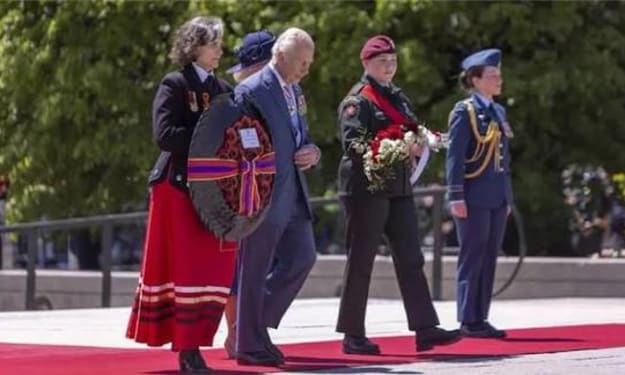
A delegation of First Nations leaders from Canada has traveled to England to meet with King Charles III, raising concerns over unresolved treaty obligations and the historical impact of colonial policies. The visit represents a rare opportunity for Indigenous leaders to engage directly with the British monarchy, which has long been viewed as a symbolic authority connected to treaties signed during the colonial era. The delegation includes chiefs and elders from multiple First Nations communities across Canada, representing a diverse range of regions and interests. Their mission is to secure recognition for longstanding grievances related to land rights, resource extraction, and the implementation of treaties originally negotiated between Indigenous communities and the Crown. The leaders emphasize that these treaties are still legally binding under Canadian law and that acknowledgment from the monarchy carries both symbolic and political weight. During preliminary discussions in London, the delegation highlighted concerns that many treaties have been inadequately honored over the past century. Chief Shawn Atleo of the Assembly of First Nations explained, “These agreements were made with the Crown, and yet, too often, their promises have been ignored or inadequately implemented. We come to England not to challenge the monarchy personally, but to seek recognition and a commitment to dialogue that respects the original intentions of these treaties.” King Charles, who has publicly expressed interest in reconciliation and environmental stewardship, reportedly welcomed the delegation and listened to their concerns during a formal audience. While the meeting did not produce immediate policy changes, it was described as a significant step toward acknowledging the historical obligations of the Crown and creating channels for continued discussion. The visit also underscores the complex role of the monarchy in contemporary Canada. Although political authority is vested in the Canadian government, the Crown remains a central figure in treaty law and Indigenous governance structures. Experts note that while King Charles cannot unilaterally enforce treaty obligations, recognition from the monarchy can strengthen Indigenous claims and encourage Canadian authorities to address outstanding issues more seriously. Beyond legal recognition, the delegation emphasized the social and cultural dimensions of their visit. Indigenous leaders brought artifacts, documents, and oral histories to illustrate the historical context of treaties and the impact of colonial policies on their communities. These presentations serve not only to educate British officials and the monarchy but also to reinforce the ongoing cultural and spiritual significance of these agreements for First Nations people. In addition to meetings with King Charles, the delegation has scheduled engagements with members of the British Parliament, legal experts, and historians specializing in colonial law. These discussions aim to foster broader understanding of the treaties and explore avenues for collaboration in addressing contemporary challenges related to Indigenous rights, land stewardship, and community development. The timing of the visit is particularly noteworthy, coming amid ongoing debates in Canada over reconciliation and Indigenous sovereignty. Recent legal rulings have emphasized the binding nature of treaties and the duty of the government to consult and accommodate First Nations communities in matters affecting their lands. Leaders in London hope that raising awareness internationally will complement domestic efforts and create additional pressure for meaningful action. Observers note that the visit carries symbolic significance for both the monarchy and Indigenous communities. For King Charles, it represents an opportunity to reinforce his public image as a monarch engaged with global issues and committed to dialogue and reconciliation. For the First Nations delegation, it demonstrates a proactive approach to asserting treaty rights and preserving cultural heritage in an international context. Reactions from Canadian officials have been cautiously supportive. While the federal government remains the primary authority responsible for treaty implementation, Indigenous Affairs Minister Penny Collenette praised the delegation for taking a diplomatic approach. “Engagement at all levels is important, and raising these issues in London complements ongoing efforts at home,” she said. The delegation plans to return to Canada later this month, with follow-up meetings expected to continue both domestically and internationally. Advocates stress that the visit should be viewed as part of a broader movement to ensure that historical treaties are honored, Indigenous voices are heard, and the principles of justice and fairness guide ongoing governance decisions. As the delegation concludes its visit, leaders expressed hope that the dialogue will mark the beginning of sustained engagement with the monarchy, the UK government, and Canadian authorities. “Our goal is not confrontation, but recognition, understanding, and meaningful action,” said Chief Atleo. “By raising these issues here in England, we hope to reaffirm the commitments made generations ago and ensure that future generations inherit the respect and rights promised to our people.”
By Fiaz Ahmed 3 days ago in The Swamp
Heaviest Bombers in US Air Force Arrive at RAF Fairford. AI-Generated.
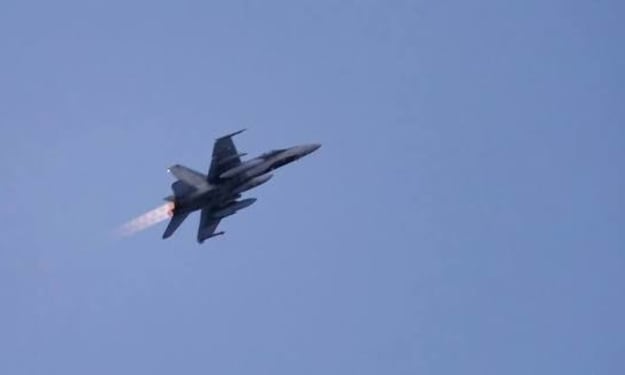
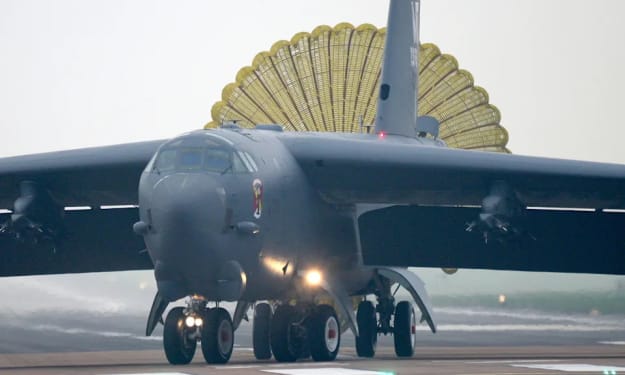
The United States Air Force has deployed some of its heaviest bombers to RAF Fairford, marking a significant show of force in Europe as geopolitical tensions continue to rise. The deployment, involving both B-52 Stratofortress and B-1 Lancer bombers, is part of a broader strategy to enhance NATO’s readiness and signal deterrence in response to ongoing conflicts in Eastern Europe and the Middle East. According to US Air Force officials, the arrival of the bombers at RAF Fairford, a key strategic base in the United Kingdom, allows for rapid deployment across European theaters. “This deployment demonstrates the United States’ unwavering commitment to NATO and our European allies,” said Colonel James Whitmore, spokesperson for the US Air Forces in Europe. “These bombers provide a versatile and powerful tool for deterrence, ensuring that allied forces are prepared for any eventuality.” RAF Fairford, located in Gloucestershire, has long been used as a forward operating base for strategic bombers. Its long runways and advanced infrastructure make it suitable for heavy bomber operations, including mid-air refueling and maintenance for aircraft with extended range missions. The base has previously hosted B-1 and B-52 aircraft for joint exercises with the Royal Air Force and NATO allies. The deployed aircraft include several B-52H Stratofortress bombers, capable of carrying both conventional and nuclear payloads. The B-52 is a long-range, heavy bomber that has been in service since the 1950s and remains a cornerstone of US strategic capabilities. Alongside them, B-1B Lancer bombers have also arrived. Known for their supersonic speed and variable-sweep wings, B-1s provide tactical flexibility in addition to their strategic reach. Military analysts note that the arrival of these aircraft in the UK is both operational and symbolic. Operationally, it enhances the US and NATO’s ability to respond quickly to crises in Europe and beyond. Symbolically, it signals to adversaries that the US remains committed to defending its allies and maintaining strategic stability. This deployment comes amid heightened tensions following recent escalations in the Middle East and ongoing instability along Europe’s eastern borders. US and NATO officials have emphasized that the bomber presence is intended as a deterrent rather than a provocation, though it is likely to attract attention from regional adversaries. In preparation for the deployment, US Air Force personnel conducted extensive planning and coordination with RAF units. Ground crews, maintenance specialists, and security teams have been stationed alongside the aircraft to ensure operational readiness. Additionally, the bombers are expected to participate in joint training exercises with NATO allies, including simulated strike missions, reconnaissance operations, and air refueling drills. The B-52 Stratofortress, nicknamed the “Buff,” is capable of flying missions exceeding 8,000 miles without refueling, while the B-1 Lancer offers a high-speed, low-level penetration capability ideal for tactical missions. Together, these bombers enhance NATO’s flexibility across multiple combat scenarios, from strategic deterrence to rapid-response operations. RAF Fairford’s location provides access to critical air corridors in Europe, enabling US forces to conduct operations over the North Atlantic, the Mediterranean, and Eastern European airspace. Analysts highlight that such deployments allow the US to demonstrate global reach and reassure allies of its commitment to collective security. The arrival of the bombers has also drawn attention from local communities in Gloucestershire. Residents have reported increased air traffic and heightened security measures around the base. Authorities have assured the public that the deployment is routine and poses no immediate threat, emphasizing that all safety protocols are being strictly followed. While NATO officials stress that the deployment is defensive in nature, it is likely to be closely monitored by adversary nations. Satellite imagery and intelligence sources are expected to track the bombers’ movements and readiness levels. The strategic messaging behind the deployment is clear: the US maintains a capable and flexible airpower presence in Europe to respond to any escalation. Military observers note that such bomber deployments are a reminder of the enduring role of strategic airpower in modern geopolitics. Even in an era dominated by cyber and missile threats, heavy bombers provide an unmatched combination of payload capacity, range, and versatility. As operations at RAF Fairford continue, the US Air Force plans to conduct multiple exercises over the coming weeks, reinforcing interoperability with NATO forces. The presence of the B-52 and B-1 bombers is expected to remain a key component of US and NATO strategic planning, underscoring the importance of forward-deployed airpower in ensuring stability in Europe and beyond.
By Fiaz Ahmed 3 days ago in The Swamp
Carney calls three by-elections in Canada that could grant him a majority. AI-Generated.
Prime Minister Justin Carney has announced three by-elections across Canada, a move that could pave the way for his party to secure a parliamentary majority. The elections, scheduled over the next two months, follow a series of resignations and seat vacancies in strategically significant ridings. Political analysts say these contests will be crucial in determining whether Carney can solidify his hold on power or face continued minority governance. The by-elections will take place in the ridings of Vancouver East, Halifax Central, and Winnipeg South. All three constituencies are considered competitive, with close previous election results that left margins of victory narrow. Vancouver East has traditionally leaned toward progressive parties but has recently seen shifting voter patterns due to economic and housing issues. Halifax Central is a swing district with a history of alternating representation, while Winnipeg South is notable for its mixed urban-suburban demographic and strong engagement in federal politics. Carney, who currently leads a minority government, emphasized that these by-elections present an opportunity for Canadians to express confidence in his administration’s direction. “These contests are more than just local elections—they are a referendum on our policies and our vision for Canada,” Carney said during a press conference in Ottawa. “Securing these seats will allow us to implement our agenda more effectively and ensure stability in government.” The prime minister’s strategy appears to focus on appealing to both traditional supporters and undecided voters. Central issues highlighted by Carney include economic growth, job creation, healthcare expansion, and environmental policy. His campaign team has also emphasized the government’s efforts to balance fiscal responsibility with social investment, arguing that a majority mandate would accelerate legislative priorities in Parliament. Opposition parties are mobilizing aggressively in response. The Liberal Party and the New Democratic Party have both criticized Carney’s handling of key national issues, including housing affordability, Indigenous reconciliation, and climate change. Campaigning in the three ridings has intensified, with all parties seeking to energize their base while reaching undecided voters. Analysts note that turnout will be a critical factor, as by-elections traditionally experience lower participation than general elections. Political observers are also paying close attention to voter sentiment in urban centers. Vancouver East, in particular, has faced rising concerns over housing prices and homelessness, issues that have dominated local discussions. Candidates from opposition parties are leveraging these concerns to challenge Carney’s party, arguing that current policies have failed to adequately address the housing crisis. Halifax Central presents another dynamic scenario. The riding has a high proportion of young voters, many of whom are politically active and engaged on issues such as climate action and education. The electorate’s responsiveness to Carney’s messaging on economic stability versus progressive social policies could determine the outcome in this key district. In Winnipeg South, suburban and commuter communities are the focus of intense door-to-door campaigning. Here, transportation infrastructure, healthcare accessibility, and employment opportunities are top priorities for voters. Carney’s campaign has sought to highlight federal investments in regional development projects and job creation initiatives as a means to win support. Securing victories in all three by-elections would give Carney the parliamentary majority he has long sought. Currently, his party holds 154 of the 338 seats in the House of Commons, just short of the 170 required for a majority. Winning the by-elections would provide a buffer to pass key legislation without needing to negotiate constantly with opposition members, which has been a hallmark of minority government challenges. Analysts caution, however, that by-elections can be unpredictable. Local issues, candidate popularity, and voter turnout can significantly influence results, making the outcome difficult to forecast with certainty. Historical data suggests that by-elections often serve as opportunities for voters to express dissatisfaction with the government, even if they have previously supported it. Carney’s team has also invested in a robust media strategy, leveraging both traditional and digital platforms to communicate key messages. Town halls, social media engagement, and televised debates are central components of the campaign, aiming to reach diverse voter demographics across the three regions. The next several weeks will be critical for Carney and his party. Winning these seats could cement his authority in Ottawa and enable the government to pursue an ambitious legislative agenda, including infrastructure spending, economic reforms, and social policy initiatives. Conversely, failure to secure victories may prolong the minority government situation, requiring continued negotiation and coalition-building with opposition parties. As Canadians prepare to vote, the outcome of these by-elections will be closely watched both nationally and internationally, signaling not only the balance of power in Ottawa but also the public’s confidence in Carney’s leadership. The political landscape remains fluid, and these contests could mark a pivotal moment in Canada’s parliamentary history.
By Fiaz Ahmed 3 days ago in The Swamp
600 Israelis arrive home on two flydubai flights that land in Tel Aviv. AI-Generated.
Around 600 Israeli citizens returned home on Sunday after two special flights operated by the airline Flydubai landed at Ben Gurion Airport near Tel Aviv. The flights marked one of the first organized efforts to repatriate Israelis who had been stranded abroad following disruptions caused by the escalating conflict in the Middle East.
By Fiaz Ahmed 3 days ago in The Swamp
Brace for Impact: The Middle East War Has Reached Pakistan. AI-Generated.
Pakistan is increasingly feeling the ripple effects of the expanding conflict in the Middle East. As tensions between regional powers escalate and military confrontations continue to destabilize the region, the consequences are now being felt far beyond the immediate battlegrounds. For Pakistan, a country already grappling with economic strain and political uncertainty, the spreading conflict poses serious risks to security, energy supplies, and the livelihoods of millions of citizens. The Middle East has long been deeply connected to Pakistan through economic, political, and religious ties. Millions of Pakistani workers are employed in Gulf states, sending billions of dollars in remittances back home each year. As the conflict intensifies and regional stability deteriorates, concerns are growing that these workers could face displacement, job losses, or travel disruptions. Such a scenario would deal a severe blow to Pakistan’s fragile economy, which relies heavily on overseas remittances to stabilize its currency and support domestic consumption. Energy security is another major concern. Pakistan imports a significant portion of its oil and gas from the Middle East. Any disruption to shipping routes, particularly in critical waterways such as the Strait of Hormuz, could sharply increase energy prices and worsen Pakistan’s already serious inflation crisis. A surge in fuel costs would cascade through the economy, raising transportation prices, electricity tariffs, and food costs. For ordinary Pakistanis already struggling with rising living expenses, the impact could be devastating. Security analysts also warn that Pakistan could become entangled in the broader political fallout of the conflict. The country has historically maintained relationships with multiple Middle Eastern powers, including Saudi Arabia, Iran, and other Gulf states. Balancing these relationships has always required careful diplomacy. However, as regional alliances harden and tensions deepen, Islamabad may find it increasingly difficult to maintain neutrality. The situation along Pakistan’s western border could also become more volatile. Heightened sectarian tensions, fueled by geopolitical rivalries in the Middle East, have historically spilled over into Pakistan’s domestic landscape. Extremist groups often exploit international conflicts to recruit supporters or justify attacks. Security agencies are reportedly increasing monitoring efforts to prevent any such escalation inside the country. Meanwhile, Pakistan’s government is facing pressure from the public to clarify its position. Political leaders are walking a delicate line, expressing concern about humanitarian consequences while avoiding direct alignment with any side in the conflict. Officials have emphasized the need for diplomatic solutions and regional dialogue, warning that continued escalation could destabilize not only the Middle East but also neighboring regions. Another dimension of concern is the safety of Pakistani citizens living abroad. Large Pakistani communities reside in Saudi Arabia, the United Arab Emirates, Qatar, and other Gulf countries. If the conflict spreads further or threatens infrastructure in these nations, Pakistan may be forced to organize emergency evacuations similar to past crises. Such operations would require enormous logistical coordination and financial resources. The economic implications are already beginning to surface. Global oil markets have shown signs of volatility since the latest escalation in hostilities. Investors are wary of supply disruptions, and shipping insurance costs for vessels operating in the region are rising. For a country like Pakistan, which already faces a balance-of-payments challenge, even modest increases in energy import costs could place additional pressure on government finances. Despite these risks, analysts say Pakistan still has an opportunity to play a constructive diplomatic role. As a nuclear-armed Muslim-majority nation with longstanding relationships across the region, Pakistan could potentially serve as a mediator encouraging dialogue and de-escalation. Whether Islamabad will attempt such a role remains uncertain, particularly given its internal political challenges. For now, the message from experts is clear: the Middle East war is no longer a distant conflict for Pakistan. Its economic lifelines, political stability, and national security are increasingly intertwined with the unfolding crisis. As the war’s shockwaves spread, Pakistan may soon find itself forced to confront difficult choices in an increasingly unstable world.
By Fiaz Ahmed 3 days ago in The Swamp
India Becomes World’s Second-Largest Arms Importer: Report. AI-Generated.
India has emerged as the world’s second-largest arms importer, reflecting its ongoing efforts to modernize its military and respond to growing regional security challenges. According to data released by the Stockholm International Peace Research Institute, India accounted for roughly 8.2–8.3 percent of global arms imports in the 2021–2025 period, placing it second only to Ukraine in global rankings. The findings highlight India’s continued reliance on foreign military equipment even as the country works to strengthen its domestic defense industry. Analysts say the scale of India’s imports reflects the size of its armed forces, the complexity of its security environment, and the need to upgrade aging military hardware. India faces multiple security challenges in its neighborhood. Tensions with China along the disputed Himalayan border have intensified in recent years, while the longstanding rivalry with Pakistan remains a major strategic concern. These threats have encouraged New Delhi to accelerate defense modernization and ensure that its armed forces remain technologically competitive. To address these challenges, India has been purchasing advanced weapon systems from several international suppliers. These include fighter aircraft, missile systems, submarines, helicopters, and surveillance technologies. The goal is to strengthen capabilities across all three branches of the military—army, navy, and air force. Historically, Russia has been India’s largest arms supplier. Many of India’s most important military platforms, including tanks, fighter jets, and air-defense systems, originated from Russian designs. However, recent years have seen a gradual shift in India’s procurement strategy. SIPRI data indicates that India is increasingly diversifying its sources of weapons, reducing its dependence on Moscow while strengthening partnerships with Western countries. Nations such as the United States, France, and Israel have become important defense partners, supplying advanced technology and equipment. France, for example, has delivered Rafale fighter jets to the Indian Air Force, while Israel has provided sophisticated drones and radar systems. The United States has also expanded defense cooperation with India, supplying helicopters, surveillance aircraft, and other advanced platforms. Despite remaining a major importer, India’s arms purchases have slightly declined compared with earlier years. SIPRI data shows that India’s imports dropped by about 9 percent between the periods 2015–2019 and 2020–2024, partly because of growing domestic production capabilities. The Indian government has been promoting policies aimed at reducing reliance on foreign suppliers. Through initiatives such as “Make in India,” authorities hope to encourage local production of military equipment and develop an indigenous defense industry capable of meeting the country’s long-term needs. Several domestic companies have already begun manufacturing military hardware ranging from artillery systems to drones and armored vehicles. Government officials argue that expanding domestic defense production will not only strengthen national security but also create jobs and support economic growth. Nevertheless, experts say that achieving complete self-reliance in defense manufacturing will take years. Many advanced technologies—such as aircraft engines, sophisticated missile systems, and stealth capabilities—remain difficult to develop domestically. As a result, India is likely to continue importing certain high-tech weapons in the near future. Globally, the arms trade has been influenced by increasing geopolitical tensions and rising defense spending. Conflicts in Europe, the Middle East, and parts of Asia have prompted many countries to upgrade their militaries and secure new weapons systems. In this environment, major exporters such as the United States and France continue to dominate the global defense market. For India, maintaining a strong and modern military remains a strategic priority. With one of the world’s largest armed forces and a rapidly evolving security environment, the country is expected to remain a significant participant in the international arms market for years to come. While the push for self-reliance continues, the latest report underscores a key reality: India’s military modernization still depends heavily on global defense suppliers. As geopolitical tensions persist, the country’s position as the world’s second-largest arms importer is likely to remain an important feature of the global arms trade landscape.
By Fiaz Ahmed 3 days ago in The Swamp