Ruth Elizabeth Stiff
Bio
History and knowledge, especially about the Earth, are my passions. I enjoy putting my thoughts to paper and I always try to encourage self-motivation and love for life. LIVE AND LOVE LIFE!
Stories (958)
Filter by community
THE VICTORIAN WORKHOUSE
The “Workhouse” was designed to provide work and shelter for the extremely poor who could not support themselves. Over time, however, these workhouses became ‘prison systems’ who ‘dealt’ with the same poor. This harsh system first came to light during the Victorian Era. The “Institution” became known for its terrible conditions --- forced child labour / long hours / malnutrition / beatings and neglect.
By Ruth Elizabeth Stiff6 years ago in Journal
WOMEN IN HISTORY
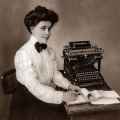
Rosa who? I can hear you asking. A woman, lost in history, but whose determination to better herself is an Inspiration for us women today. You could almost call her a Suffragette as she did not let anything get in her way to ‘get to the top.’ Rosa was a real example who showed us that hard work really does have its own rewards.
By Ruth Elizabeth Stiff6 years ago in Viva
Servants in the Edwardian Era
TRUE STORIES OF THOSE WHO WERE IN DOMESTIC SERVICE MARGARET THOMAS Was employed as a kitchen maid: “I learned there was a footman as well as a butler --- I had their bedroom to keep clean, which was in the basement,” she recounted. “My own bedroom was at the top of the house but the under house maid cleaned it. I only had to make my bed.”
By Ruth Elizabeth Stiff6 years ago in Journal
"LIVE AND LOVE LIFE!"
Like so many of us today, I have a constant fight with depression. We’ve all had those terrible experiences in our lives which have affected us for the rest of our lives. But rather than dwell on the negative, I want to FOCUS on the POSITIVE.
By Ruth Elizabeth Stiff6 years ago in Psyche
The Six Wives of Henry VIII
CATHERINE OF ARAGON “Humble and Loyal” Born 16th December 1483 in Spain / Married to Prince Arthur 14th November in London / Married to King Henry VIII 11th June 1509 at Greenwich / Marriage to Henry VIII dissolved 1533 / Died 7th January 1536 at Kimbolton Castle / Buried 29th January 1536 at Peterborough Abbey.
By Ruth Elizabeth Stiff6 years ago in Viva
THE TUDOR ERA
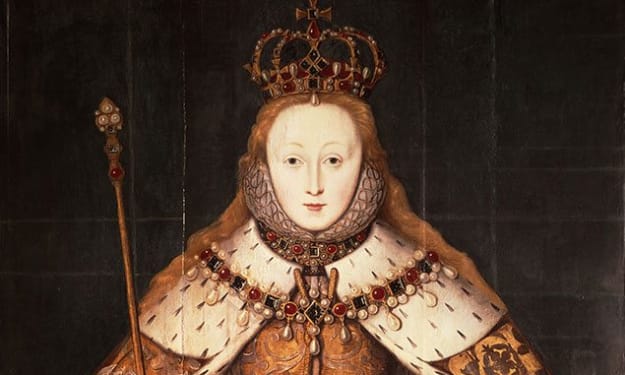
The Tudor Era is the period between 1485 and 1603 in England and Wales, and includes the Elizabethan period during the reign of Elizabeth I until 1603. This Era coincides with the dynasty of the House of Tudor in England whose first monarch was Henry VII. The historian John Guy argues that “England was economically healthier, more expansive, and more optimistic under the Tudors” than at any time in a thousand years.
By Ruth Elizabeth Stiff6 years ago in The Swamp
THE WHITE EMPRESS
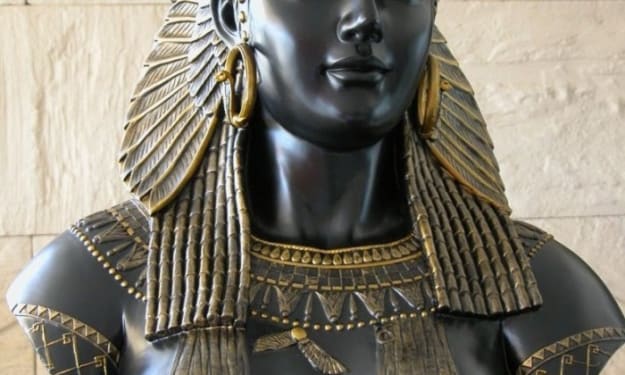
She lived in a castle that looked like ice. . The walls were seven feet thick, white stone, which reflected the sun. The two towers were five floors each, one was for the servants, the other she occupied. They were joined by a hall-way which had three massive fire places, all three were kept raging all of the time. The courtyard was the widest of circles, with walls which had arrow slits, just wide enough for her to look through, but too small for any-one to look in.
By Ruth Elizabeth Stiff6 years ago in Humans
WOMEN IN HISTORY
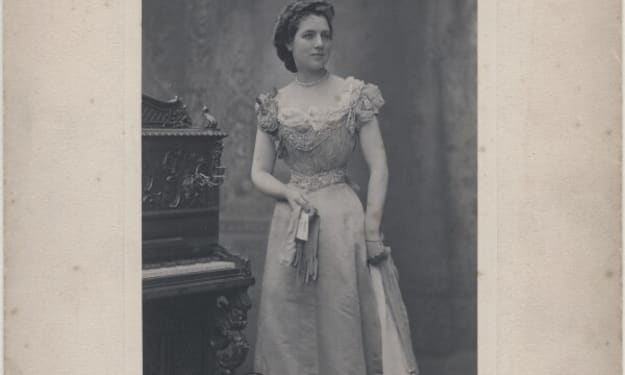
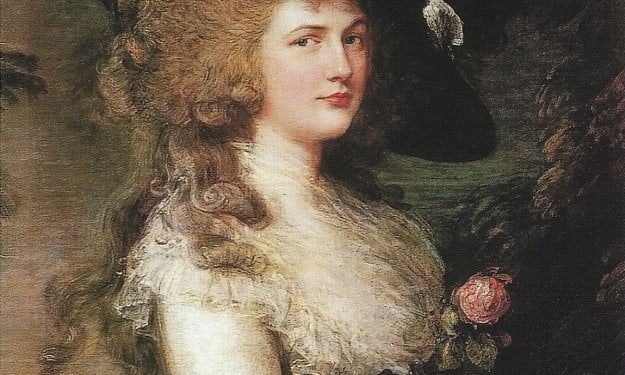
Georgiana Cavendish, The Duchess of Devonshire was the great-great-great-grand-aunt to the late Diana, Princess of Wales. Georgiana was born into the Spencer family on 7th June, 1757, and was the first daughter to John, the Earl of Spencer and his wife, Georgiana, the Countess of Spencer. The Countess said of her daughter: “I will own I feel so partial to my Dear little Gee, that I think I never shall love another so well.” She was born at the Spencer family home in Althorp. The Spencer family were wealthy and her parents enjoyed a happy marriage. Georgiana knew only comfort and love whilst growing up.
By Ruth Elizabeth Stiff6 years ago in Viva
WOMEN IN HISTORY
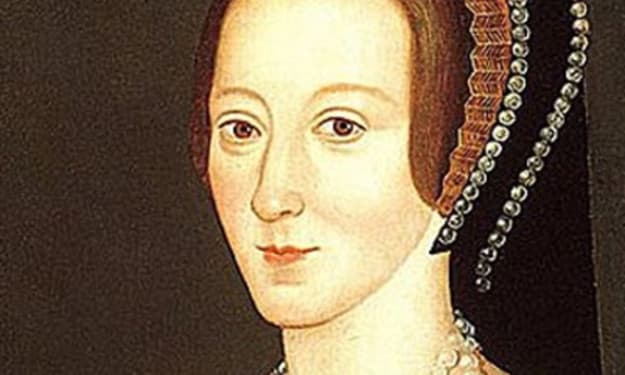
Anne Boleyn was Queen of England from 1533 to 1536 as the second wife of King Henry VIII. Their marriage and her execution by beheading, made her a key feature in the political and religious upheaval that was the start of the English Reformation.
By Ruth Elizabeth Stiff6 years ago in Viva