Latest Stories
Most recently published stories in The Swamp.
Could Iran be using China’s highly accurate BeiDou navigation system?. AI-Generated.
As the conflict between Iran and the United States and Israel continues to escalate, military analysts and intelligence experts are scrutinizing Tehran’s capabilities — particularly what might lie behind recent improvements in the accuracy of Iranian missiles and drones. One key question has emerged: Is Iran tapping into China’s BeiDou satellite navigation system to guide its weapons with greater precision? While Tehran has not officially confirmed such a move, multiple reports and expert assessments suggest it is a plausible explanation for shifts in Iran’s targeting effectiveness. A Shift in Navigation Systems? Historically, most militaries — including Iran’s — have relied on the U.S.‑operated GPS (Global Positioning System) for navigation and targeting. GPS has been the backbone of precision guidance for decades, underpinning everything from commercial aviation to missile delivery and drone flight control. But with rising political tensions and ongoing hostilities in the Middle East, Iran’s GPS‑dependent weaponry has sometimes struggled against sophisticated jamming and electronic warfare techniques. Recent assessments from defense analysts point to a potential shift: Iran may be using China’s BeiDou Navigation Satellite System (BDS) as a strategic alternative or complement to GPS. Former intelligence officials note that the accuracy of Iranian missile targeting in recent months appears significantly improved compared to earlier conflicts, prompting questions about whether a more robust navigation source is in play. BeiDou — China’s global navigation network — offers several technical advantages that could explain this change. Its military‑grade B3A signal is designed to be resilient to jamming and spoofing, two techniques commonly used to interfere with GPS signals in conflict zones. BeiDou incorporates complex frequency hopping and authentication measures, making it difficult to disrupt with conventional electronic warfare. Experts say this could allow Iranian weapons to maintain course even under active jamming conditions. Why BeiDou Matters One of BeiDou’s standout features is its high accuracy and anti‑interference design. Unlike civilian GPS signals, which can be jammed or spoofed relatively easily, BeiDou’s military signals are engineered to resist such interference, providing a potential edge in contested environments. Military analysts report that BeiDou‑assisted guidance systems can achieve targeting accuracy within a few meters, a level of precision that significantly enhances missile effectiveness. Another unique capability of BeiDou is its Short Message Communication (SMC) feature, which enables two‑way data links with devices equipped for the system. This means that a drone or guided missile could not only navigate using satellite positioning but might also receive in‑flight updates or commands even while far from its launch point — a capability that could substantially increase operational flexibility. This combination of precision and resilience against jamming makes BeiDou attractive for militaries looking to operate in electronic warfare environments. And while internal Iranian statements have been limited, Tehran’s Information and Communications Technology officials have previously acknowledged the need to diversify navigation sources and reduce reliance on a single system after experiencing GPS disruptions in earlier conflicts. Geopolitical Implications The possibility of Iran accessing BeiDou has broader geopolitical implications. It indicates not just a technical shift in navigation architecture, but also a deeper strategic alignment between Tehran and Beijing. Iran’s interest in BeiDou is consistent with a broader desire for technological autonomy, reducing dependence on Western infrastructure that could be cut off or degraded during conflicts. China has promoted BeiDou as a rival to GPS, and it has become widely adopted outside of China for civilian applications such as autonomous driving, ride‑hailing services, and logistics — highlighting its precision and reliability. While civilian use is separate from military access, the dual‑use nature of satellite positioning technology means that military forces in other countries can leverage the same system, provided they have compatible receivers. Iran’s potential use of BeiDou also complicates the technological battlefield. Western and Israeli forces have invested heavily in electronic warfare to degrade Iranian guidance systems, but BeiDou’s design makes such efforts less effective. This, in turn, could force U.S. and allied militaries to rethink counter‑navigation strategies and invest in technologies that can operate effectively in the presence of rival satellite systems. Remaining Questions and Transparency Despite expert speculation, Iran has not officially confirmed it is actively operating using BeiDou, nor have Chinese authorities publicly stated they are providing direct access for military applications. Integrating a foreign GNSS (Global Navigation Satellite System) into missile and drone guidance is technically complex and often tightly controlled. Whether Iran has fully transitioned or is using a hybrid of GPS and BeiDou remains unclear. Still, open‑source tracking of Iranian weapons and observed improvements in targeting precision align with what would be expected if BeiDou were in use — suggesting that at the very least, Tehran is experimenting with or has incorporated elements of the Chinese navigation network into its systems. New Space Economy Conclusion The question of whether Iran could be using China’s BeiDou navigation system touches on technical, strategic and geopolitical dimensions. The strengths of BeiDou — accuracy, anti‑jamming features, and communications tools — make it a compelling alternative to GPS for nations operating in contested electronic environments. Even if official confirmation remains absent, the circumstantial evidence and expert analysis highlight the growing role of alternative satellite navigation systems in modern warfare — and how access to such technology can alter the dynamics of conflict.
By Fiaz Ahmed a day ago in The Swamp
Iran’s Cheap, Plentiful Weaponry Puts US Military Under Unprecedented Strain. AI-Generated.
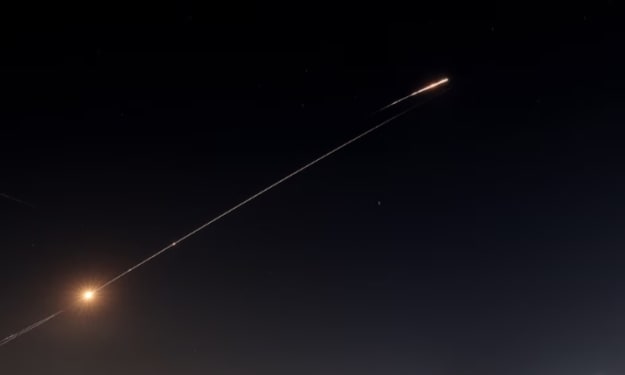
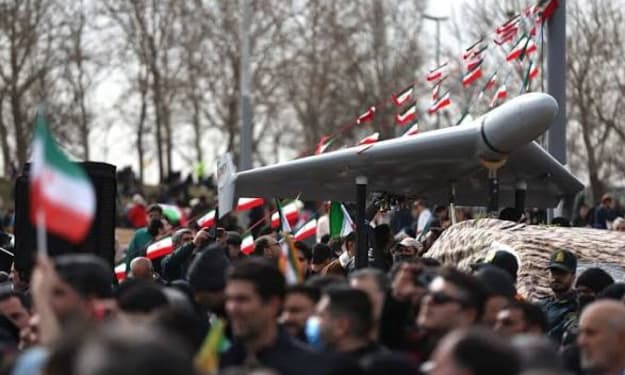
As the conflict between the United States and Iran extends into its second week, U.S. military leaders are confronting an unexpected strategic challenge: Tehran’s arsenal of inexpensive and abundant weapons is chewing through American defensive systems and munitions far faster than planners anticipated. What was expected to be a short, decisive campaign has evolved into a costly war of attrition, illustrating a growing vulnerability in America’s approach to modern warfare. The source of this strain lies in Iran’s reliance on large quantities of drones and ballistic missiles that cost tens of thousands of dollars to build, drastically cheaper than the sophisticated systems the U.S. military must expend to counter them. Iranian forces have launched thousands of such weapons across the Middle East, forcing U.S. forces and their allies to burn through expensive interceptors and defense munitions in order to protect bases, personnel, and infrastructure. Cheap Weapons, Expensive Defenses At the heart of the imbalance are systems like the Iranian Shahed‑series attack drones, which are relatively simple to manufacture — often costing roughly $20,000 to $50,000 each — yet have significant operational range and payload capability. These drones are difficult to detect due to their slow, low‑altitude flight profiles, increasing the burden on radar and air‑defense systems. Meanwhile, U.S. and allied forces often counter such threats with multi‑million‑dollar interceptors like Patriot and THAAD missiles, each costing millions of dollars per shot. This dynamic creates a classic “cost‑exchange ratio” problem: defence systems are repeatedly employed at far greater expense than the weapons they are trying to stop. In modern attrition warfare, this can bleed a technologically superior force dry, even if it remains tactically dominant. Analysts say that such imbalances can force operational and strategic shifts over time, especially when defense production and replenishment capabilities are stretched thin. Rapid Depletion of U.S. Munitions The scale of the consumption has alarmed lawmakers and defense experts alike. Pentagon estimates show that the United States expended around $5.6 billion worth of munitions in just the first 48 hours of military operations against Iran — a staggering figure that highlights how quickly stockpiles of advanced weapons are being consumed. This does not include the price of deploying airframes, vessels, or other high‑value platforms. On Capitol Hill, these figures have prompted urgent questioning about America’s industrial readiness and capacity to sustain a prolonged conflict. Some lawmakers worry that the Pentagon may soon have to request supplemental funding to build munitions at rates that current defence production lines cannot match, potentially diverting resources from other military obligations worldwide. Interceptor Burden and Strategic Stress The strain is felt most acutely in U.S. air and missile defense systems, which are being fired at Iranian drones and missiles almost continuously. While Patriot and THAAD batteries have helped protect personnel and facilities, their use comes at immense cost, and replacements are not instantly available. Even production of these sophisticated interceptors — requiring specialized components and industrial capacity — cannot be significantly accelerated overnight, leading to fears of gaps in defense if stockpiles fall too low. Defense officials have pushed back, insisting that current inventories are sufficient for ongoing operations. However, internal opposition and some closed‑door briefings suggest that confidence is not universal, as commanders must balance conserving interceptors with protecting forces in a fluid combat environment. Iran’s Strategy and U.S. Challenges Iran’s strategy appears to leverage exactly this imbalance. By launching large waves of inexpensive drones and missiles, Tehran forces the United States and its partners to expend far more costly defensive systems — effectively turning its own limited resources into a kind of asymmetric advantage. This mirrors broader trends in modern conflict, where less‑expensive drones and missile technology can impose outsized costs on more technologically advanced militaries. Compounding the problem is Iran’s ballistic missile arsenal, which has also been used to great effect, forcing U.S. and allied air defenses to remain constantly on alert. Intercepting ballistic threats often requires layered defenses, increasing the rate at which expensive interceptors are used. Broader Implications for U.S. Military Strategy The strain caused by Iran’s weaponry is forcing military planners to rethink traditional assumptions about high‑technology dominance. A conflict where quantity — not quality — dictates sustained engagement creates an environment where supply chain resilience, munitions production capacity, and industrial base flexibility become as important as battlefield prowess. Some analysts say the current conflict could be a case study for future confrontations, especially with other potential adversaries that have invested in inexpensive long‑range systems. The U.S. military may need to accelerate development of attritable or lower‑cost defensive systems and diversify supply chains to avoid strategic vulnerabilities. Conclusion: A New Kind of Warfare Iran’s use of cheap, plentiful weaponry has revealed a critical weakness in the U.S. military’s traditional approach to high‑end conflict: that superior firepower does not guarantee sustainability in the face of inexpensive, high‑volume threats. The strain on interceptors, the rapid depletion of munitions, and the rising cost of defense underscore a broader shift in the nature of warfare — one where economical mass deployment can challenge even the most advanced militaries. As the conflict continues, the Pentagon and Congress will be grappling with how to adapt strategy, sustain military readiness, and ensure long‑term defense industrial health in an era defined not just by technological superiority, but by the complex economics of war.
By Fiaz Ahmed a day ago in The Swamp
Germans Protest Against Russia on Paralympic Podium. AI-Generated.
During a medal ceremony at the 2026 Winter Paralympic Games in Milano‑Cortina, Italy, two German cross‑country skiers made a quiet but powerful political statement by turning their backs on Russian gold medalists as the Russian national anthem played on the podium. Their action highlighted deep tensions surrounding the controversial decision to allow Russian athletes to compete under their own flag and with their national symbols for the first time in over a decade. The protest occurred after Russian skier Anastasiia Bagiian and her guide Sergei Siniakin won gold in the women’s sprint classic for vision‑impaired athletes. As the anthem began, German silver medalist Linn Kazmaier and her guide Florian Baumann turned away from the Russian victors, visibly distancing themselves during the podium protocol. Kazmaier explained to German media that their decision was not personal toward the Russian athletes, whom they don’t know, but rather a response to the broader political context. “That it is so totally overshadowed by politics is simply a complete shame,” she said, noting they kept their hats on and refused to face the flag as a sign of protest. This moment reflects wider controversy at the Paralympics over the inclusion of athletes from Russia and Belarus under their own flags and anthems — a departure from bans imposed after Russia’s state‑sponsored doping scandal and subsequent sanctions following its 2022 invasion of Ukraine. Previously, Russian athletes had been barred or required to compete under neutral status; however, the International Paralympic Committee (IPC) lifted those restrictions in late 2025, prompting protests and boycotts. Ahead of the Games, several countries, including Germany, joined a boycott of the opening ceremony in protest of Russia and Belarus being allowed full national representation. Eleven countries along with the European Union chose not to participate in the event as a symbolic stand against the IPC’s decision, although they remained committed to competing in the sporting events themselves. The sight of German athletes turning away on the podium added another layer to that protest, occurring in the midst of competition rather than before it. Baumann emphasized that their gesture was about solidarity with Ukrainian athletes and opposition to what they saw as a decision that diminishes the integrity of international sport. “It’s not about the Russian athletes themselves… but the IPC’s decision to have Russia here under its own flag… while the Ukrainians are also here is simply not correct,” he said. The restart of Russia’s full national presence at the Paralympics represents a significant shift. Russia won its first gold medal at the Winter Paralympics under its own flag since 2014 at these Games, a moment marked by the playing of the Russian national anthem on the podium — a sight not seen at the Paralympics in many years. While the Moscow Times and other outlets celebrated this return, it sparked backlash elsewhere in the Paralympic community and among fans and officials alike. Critics argue that allowing full national symbols validates Russia’s sporting presence despite ongoing geopolitical conflicts and human rights concerns. Supporters of the IPC’s decision counter that excluding athletes penalizes individuals for the actions of their governments. This debate mirrors broader clashes in sport over whether and how to isolate nations during political crises without unfairly impacting athletes. The German protest also echoes a more general trend of political statements at international sporting events. In recent years, athletes and teams have used their platforms to draw attention to global conflicts and social issues, from kneeling protests to symbolic gestures that reverberate well beyond the field of play. The Paralympics, which celebrates courage, resilience and inclusion, has not been immune to these broader tensions. Despite the symbolism, German athlete Kazmaier acknowledged the complexity of the situation, noting that she and her guide could personally have respect for individuals from other nations while still disagreeing with broader political decisions. “Perhaps they are really nice people, whom we could be friends with,” she said, underscoring the distinction between individuals and the political systems they represent. As the Milano‑Cortina Games continue, similar moments may arise, especially as athletes from different countries confront the emotional and political realities tied to the Russian presence. The episode on the podium serves as a reminder that international sport often intersects with global affairs, and that even events meant to bring people together can reflect the fractures of the wider world.
By Fiaz Ahmed a day ago in The Swamp
Germans Protest Against Russia on Paralympic Podium. AI-Generated.
During a medal ceremony at the 2026 Winter Paralympic Games in Milano‑Cortina, Italy, two German cross‑country skiers made a quiet but powerful political statement by turning their backs on Russian gold medalists as the Russian national anthem played on the podium. Their action highlighted deep tensions surrounding the controversial decision to allow Russian athletes to compete under their own flag and with their national symbols for the first time in over a decade. The protest occurred after Russian skier Anastasiia Bagiian and her guide Sergei Siniakin won gold in the women’s sprint classic for vision‑impaired athletes. As the anthem began, German silver medalist Linn Kazmaier and her guide Florian Baumann turned away from the Russian victors, visibly distancing themselves during the podium protocol. Kazmaier explained to German media that their decision was not personal toward the Russian athletes, whom they don’t know, but rather a response to the broader political context. “That it is so totally overshadowed by politics is simply a complete shame,” she said, noting they kept their hats on and refused to face the flag as a sign of protest. This moment reflects wider controversy at the Paralympics over the inclusion of athletes from Russia and Belarus under their own flags and anthems — a departure from bans imposed after Russia’s state‑sponsored doping scandal and subsequent sanctions following its 2022 invasion of Ukraine. Previously, Russian athletes had been barred or required to compete under neutral status; however, the International Paralympic Committee (IPC) lifted those restrictions in late 2025, prompting protests and boycotts. Ahead of the Games, several countries, including Germany, joined a boycott of the opening ceremony in protest of Russia and Belarus being allowed full national representation. Eleven countries along with the European Union chose not to participate in the event as a symbolic stand against the IPC’s decision, although they remained committed to competing in the sporting events themselves. The sight of German athletes turning away on the podium added another layer to that protest, occurring in the midst of competition rather than before it. Baumann emphasized that their gesture was about solidarity with Ukrainian athletes and opposition to what they saw as a decision that diminishes the integrity of international sport. “It’s not about the Russian athletes themselves… but the IPC’s decision to have Russia here under its own flag… while the Ukrainians are also here is simply not correct,” he said. The restart of Russia’s full national presence at the Paralympics represents a significant shift. Russia won its first gold medal at the Winter Paralympics under its own flag since 2014 at these Games, a moment marked by the playing of the Russian national anthem on the podium — a sight not seen at the Paralympics in many years. While the Moscow Times and other outlets celebrated this return, it sparked backlash elsewhere in the Paralympic community and among fans and officials alike. Critics argue that allowing full national symbols validates Russia’s sporting presence despite ongoing geopolitical conflicts and human rights concerns. Supporters of the IPC’s decision counter that excluding athletes penalizes individuals for the actions of their governments. This debate mirrors broader clashes in sport over whether and how to isolate nations during political crises without unfairly impacting athletes. The German protest also echoes a more general trend of political statements at international sporting events. In recent years, athletes and teams have used their platforms to draw attention to global conflicts and social issues, from kneeling protests to symbolic gestures that reverberate well beyond the field of play. The Paralympics, which celebrates courage, resilience and inclusion, has not been immune to these broader tensions. Despite the symbolism, German athlete Kazmaier acknowledged the complexity of the situation, noting that she and her guide could personally have respect for individuals from other nations while still disagreeing with broader political decisions. “Perhaps they are really nice people, whom we could be friends with,” she said, underscoring the distinction between individuals and the political systems they represent. As the Milano‑Cortina Games continue, similar moments may arise, especially as athletes from different countries confront the emotional and political realities tied to the Russian presence. The episode on the podium serves as a reminder that international sport often intersects with global affairs, and that even events meant to bring people together can reflect the fractures of the wider world.
By Fiaz Ahmed a day ago in The Swamp
Record 52 Israeli billionaires make Forbes list with $308B combined wealth. AI-Generated.
A record‑breaking number of Israeli billionaires have appeared on Forbes magazine’s 2026 annual World’s Billionaires list, underscoring the country’s growing economic muscle on the global stage. This year, a total of 52 individuals with Israeli citizenship made the list, with their combined net worth reaching about $308 billion — a historic high and a significant increase compared to previous years. The combined wealth figure represents roughly a 24% increase from the previous year and about a 50% jump since 2024, reflecting strong performance in global markets and particularly robust gains in technology, investment, and startup sectors. Technology and Markets Fueling Wealth Growth Israel has long been nicknamed the “startup nation” thanks to its vibrant high‑tech ecosystem. Local companies specializing in artificial intelligence, semiconductors, cybersecurity, cloud computing, and other advanced technologies have seen explosive growth in recent years, attracting significant venture capital and spurring lucrative acquisitions. These gains have helped boost the fortunes of entrepreneurs, founders, and investors who are now among the country’s wealthiest. Despite ongoing geopolitical tensions in the region, including recent conflicts that rattled global markets, Israeli stock exchanges showed resilience. Investors responded positively after brief periods of volatility, helping to elevate asset values — an outcome that benefited billionaire portfolios tied to publicly traded firms and private equity stakes alike. Top Israeli Wealth Holders on the Global Stage Leading the pack of Israeli billionaires is Miriam Adelson, who is ranked as the richest Israeli on the list with an estimated net worth of roughly $37.5 billion. Her fortune is closely linked to holdings in the Las Vegas Sands casino conglomerate and media assets, and she ranks among the top 60 richest individuals worldwide. Following Adelson are brothers Idan Ofer and Eyal Ofer, two generations‑spanning tycoons whose diversified investments span shipping, real estate, energy, banking, and technology. Both have built empires that position them well within the global billionaire rankings, with net worth estimates in the mid‑$30 billion range. Another notable success story comes from mobile gaming: Dmitry Bukhman and his brother Igor Bukhman, co‑founders of the gaming company Playrix, are also among Israel’s wealthiest. Each brother is estimated to be worth around $13.6 billion, thanks to the global popularity of titles like Township, Homescapes, and Fishdom. What This Means for Israel’s Economy The surge in billionaire wealth from Israel highlights several broader economic trends. First, it underscores the importance of the technology and innovation sector in the country’s economic strategy. Israeli startups and scale‑ups routinely attract global capital and are fertile ground for high‑value exits, whether through acquisitions by larger firms or successful public market debuts. Second, the record number of billionaires despite regional instability suggests a degree of economic resilience and investor confidence. Even as geopolitical tensions influence markets, sectors such as cybersecurity, AI, and biotech continue to draw strong interest. Long‑term investors view Israel as a hub of ingenuity with sustainable growth potential. Third, the diversification of wealth sources — from gaming to real estate to international investments — protects Israel’s billionaire class from downturns in any single industry. This diversification, amplified by global reach, means these wealthy individuals and families can balance risks associated with regional uncertainty. Global Wealth Context The surge in Israeli billionaire fortunes parallels broader global insights from Forbes’ 2026 list, which shows wealth expanding across continents. A record 3,428 individuals made the full billionaire ranking this year — an all‑time high — and their combined global wealth reached more than $20 trillion. Much of this growth has been driven by gains in technology and market valuations. Still, while countries like the United States, China, and India host far more billionaires, Israel’s per‑capita concentration of ultra‑wealthy citizens remains notable. It continues to rank among the top nations in terms of billionaire count relative to population size. Looking Ahead Economists and industry analysts say the upward trajectory in billionaire wealth likely reflects a combination of technological innovation, resilient capital markets, and favorable economic policies. If Israel can sustain investments in key sectors such as cybersecurity, AI, and life sciences, the nation could continue to produce influential business leaders whose impact stretches well beyond its borders. As wealth continues to concentrate among the global elite, the presence of 52 Israeli billionaires on Forbes’ 2026 list sends a powerful message about the country’s economic maturity and global relevance — even in times of regional uncertainty.
By Fiaz Ahmed a day ago in The Swamp
Qatari Minister Says ‘Regional Countries Are Not an Enemy of Iran’. AI-Generated.
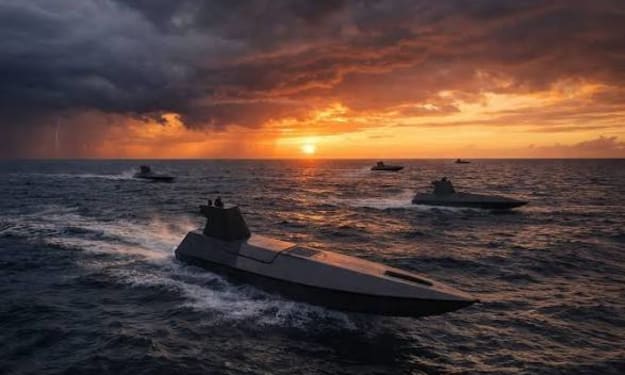
In an increasingly tense Middle East environment dominated by the ongoing conflict between the United States, Israel and Iran, Qatar’s government has issued strong diplomatic signals aimed at de‑escalation. Mohammed bin Abdulaziz al‑Khulaifi, Qatar’s minister of state for foreign affairs, stated that “regional countries are not an enemy of Iran” and urged Tehran and Washington alike to pursue negotiations instead of continued hostilities — a message that reflects Doha’s cautious but proactive diplomatic stance amid spiraling violence. Al‑Khulaifi gave the comments in an exclusive interview with Al Jazeera, underscoring Qatar’s deep concern over attacks that have affected multiple Gulf states since the conflict escalated. The minister emphasized that the current hostilities “benefit no one” and warned that continued military exchanges will only deepen the crisis across the region. He called for an immediate reduction in violence and a return to diplomatic channels, insisting that sustainable peace can only come through dialogue rather than force. Qatar — historically a key proponent of mediation in Middle Eastern conflicts — has long positioned itself as a neutral actor capable of bridging gaps between rival states. Prior to the outbreak of intense fighting, Doha had played a role in facilitating communications between Tehran and Western capitals, including the United States. However, al‑Khulaifi noted that Qatar and neighbouring Oman cannot continue to act as mediators while under direct attack by Iran, pointing out that the Gulf states’ security must be ensured before they can meaningfully serve as intermediaries. “The regional countries are not an enemy of Iran, and the Iranians are not understanding that idea,” al‑Khulaifi said, echoing a broader Gulf concern that the conflict’s expansion will drag neighbouring nations into a wider and more destructive confrontation. He stressed that Iran’s recent strikes against Gulf territories — including missile and drone attacks — undermine diplomatic trust and complicate efforts to reduce tensions. Qatar’s remarks have been coupled with strong condemnations of attacks on its own infrastructure. Doha has denounced recent Iranian strikes as violations of its sovereignty, and foreign ministry officials have reiterated the country’s right to defend itself under international law. These incidents have heightened Doha’s fears that regional hostilities could destabilize both security and economic stability, particularly given the strategic importance of the Gulf’s energy sector. The minister also highlighted concerns about the Strait of Hormuz, the crucial chokepoint for global oil and gas flows. Al‑Khulaifi warned that disruptions in this corridor, as a result of military actions, could have catastrophic economic consequences beyond the Middle East, affecting global supply chains and energy markets. “Freedom of movement through the waterway is very critical,” he noted, emphasizing the far‑reaching implications of the conflict. In explaining Doha’s diplomatic strategy, al‑Khulaifi made clear that while Qatar seeks peaceful resolutions, it also remains in close communication with the United States. He said that Doha has encouraged Washington to pursue peace and to consider a return to negotiations with Tehran. “Our line of communication is always open with our colleagues in the United States,” he said, emphasizing the importance of sustained dialogue between all parties to halt further escalation. Qatar’s appeal for de‑escalation comes amidst a broader regional backdrop of concern. Gulf Cooperation Council (GCC) members, including Saudi Arabia, the United Arab Emirates and Kuwait, have all warned about the risks of the conflict spreading beyond its current theaters. Some leaders have reiterated that military action cannot be the basis for long‑term peace and have called for diplomacy as the only viable path forward. While Doha’s diplomatic messaging has been consistent, analysts note that the situation on the ground remains volatile. Iran’s retaliatory strikes, following U.S. and Israeli operations, have continued to impact civilian infrastructure and key security targets in Gulf states. This has raised questions about whether diplomatic efforts can gain traction while active hostilities persist. In response to these pressures, Qatar has sought to strengthen its diplomatic posture by reaffirming its commitment to peace and underscoring that its stance is not adversarial toward Iran. Rather, Doha’s message is rooted in regional stability: Gulf states do not seek confrontation, and existing tensions must be resolved through dialogue. As the conflict evolves, Qatar’s statements reflect a nuanced attempt to balance national security concerns with broader calls for peace, reinforcing that enduring stability in the Middle East depends on communication, negotiation, and mutual understanding among all stakeholders.
By Fiaz Ahmed a day ago in The Swamp
Shadow Home Secretary Chris Philp Leads Charge on Starmer's Iran War Stance.
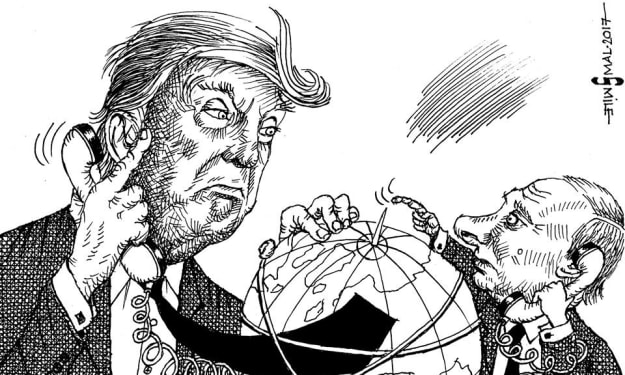
The Iran War has to be one of the most dangerous and unnecessary wars this century so far. Trump has changed the narrative of why he and his partner in crime, Netanyahu, attacked Iran. First, it was to liberate the Iranian people. Then Iran's support for Hezbollah, Hamas, the Houthis, etc. Then it's Iran enriching uranium and its ballistic missile programme. Since the war began, the Ayatollah Khamenei has been assassinated along with top military commanders. His son is now the new Ayatollah. A girl's school has been bombed, with 100 or so schoolgirls sent to Allah. Iran's infrastructure has been hit hard, as has its military and government. If they bombed the Founder of the Islamic Republic's mausoleum, Ayatollah Khomeini, it wouldn't surprise me. It seems the Americans and Israelis are hitting anything and everything across Iran. Similar to the levelling of Gaza by the IDF. Hundreds of Iranians have been killed and injured, civilian and military alike.
By Nicholas Bishop2 days ago in The Swamp